

Pavouci prý přinášejí štěstí
2 ledna, 2026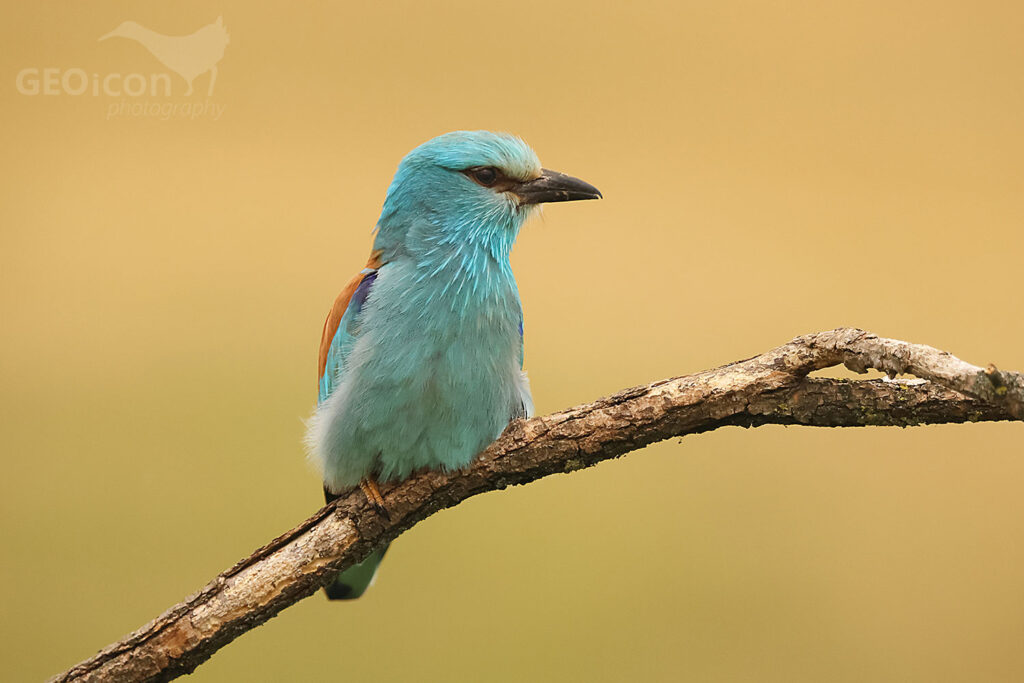
When it comes to vacation, most people imagine lounging on an endless sandy beach and azure sea in the shade of coconut palms. Others imagine mountain peaks and challenging hikes with breathtaking panoramas. And the more modest ones will take as a thank you a refreshment stand by Mácha Lake or a stay in a small cottage or cottage in the Bohemian Paradise. For the second decade, I have been spending my vacations in a slightly different way. I usually get up every morning at 4:00. While it is still dark, I sit down in some hidden place and sit there for hours and hours and wait. I wait for them. And sometimes they come, sometimes they don’t. And I have to go after some of them. On foot. Oh, I didn’t tell you who. For the birds, of course!
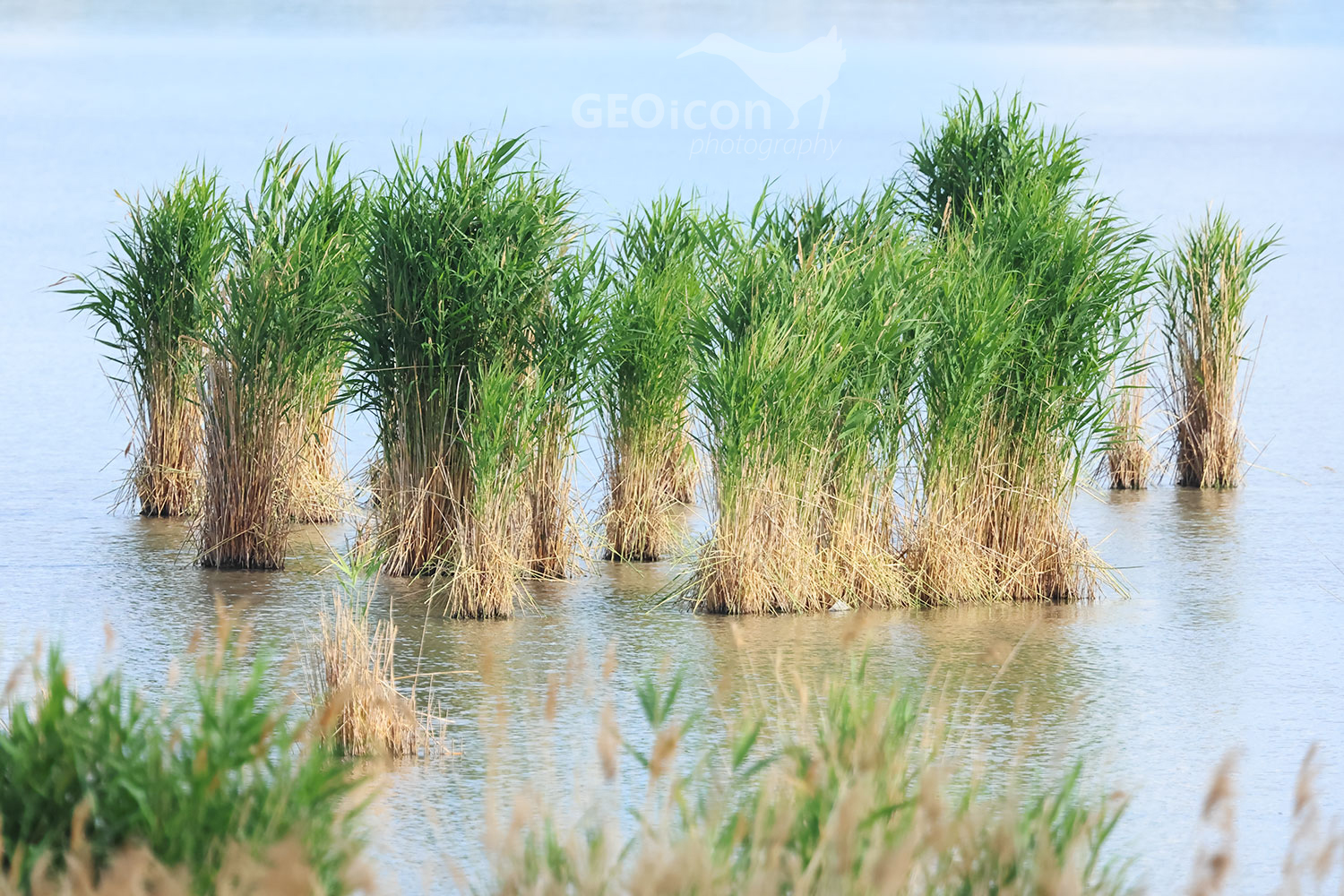
Balmazújvároš is a town in eastern Hungary in Hajdú-Bihar County. It is located about 16 km northwest of Debrecen. It has a population of about 17,000. It has been part of the Hortobágyi Nemzeti Park since 1973. On its southern edge is the local Mecca for birdwatchers and visitors from all over the world – Bibic lodge. Right from the doorstep of this great facility, there is a view of the surrounding landscape. It is beautiful. A perfect flat land. The average altitude is only 90 m above sea level. Right in front of Bibic lodge, there is a picture of the preserved original steppe landscape called the“puszta“. An uncultivated pasture with a vast wetland, bare shores and sandy islands.
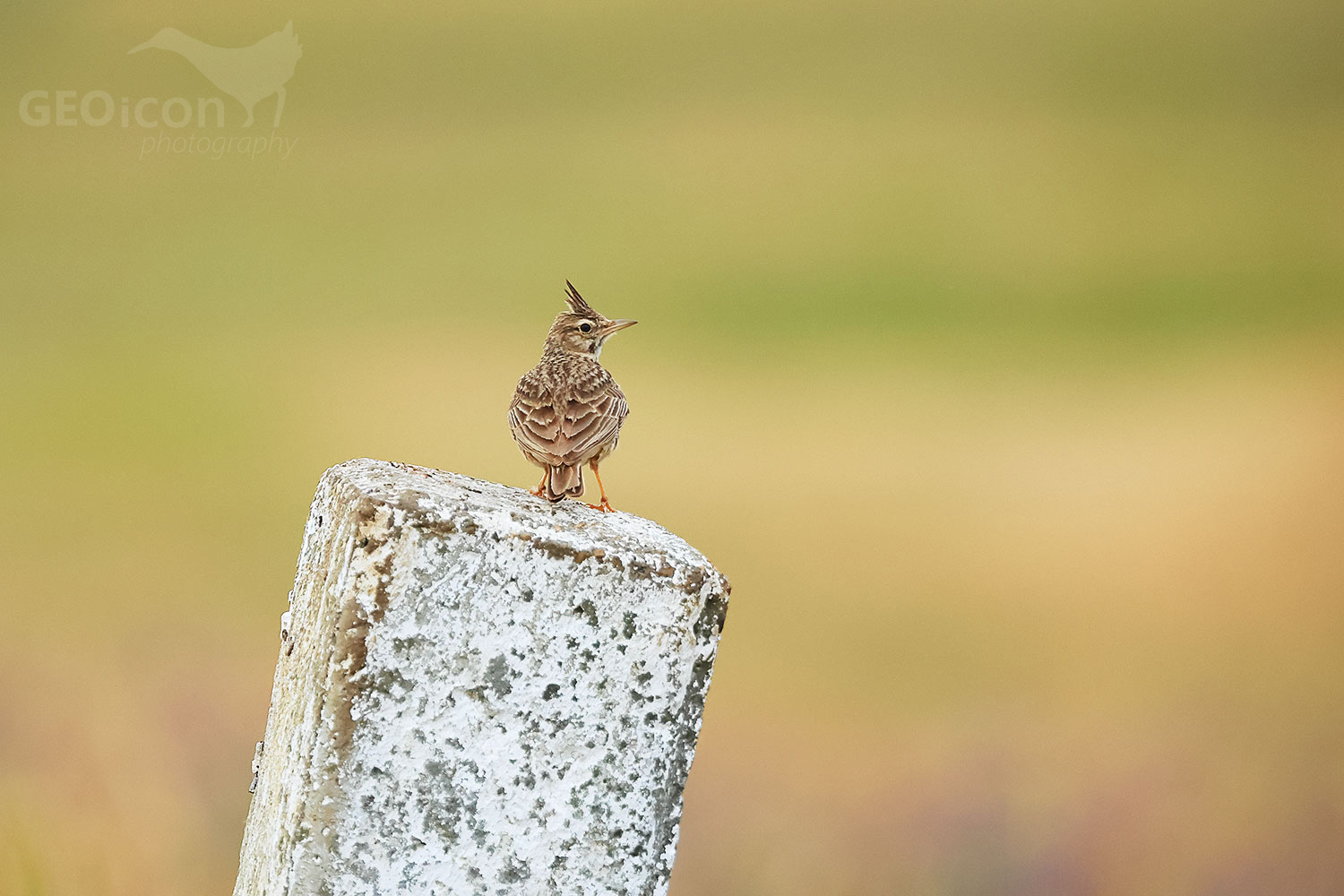
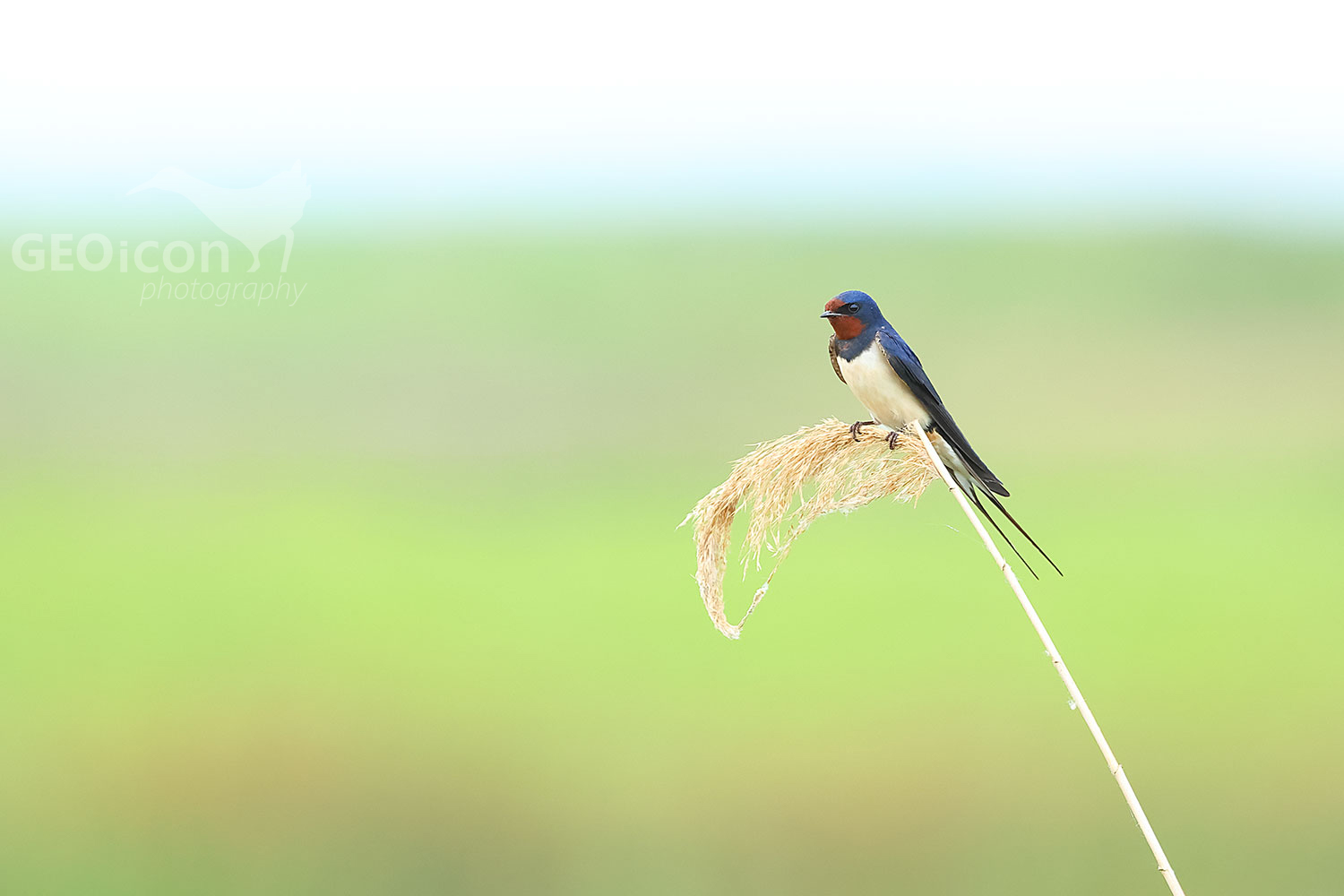
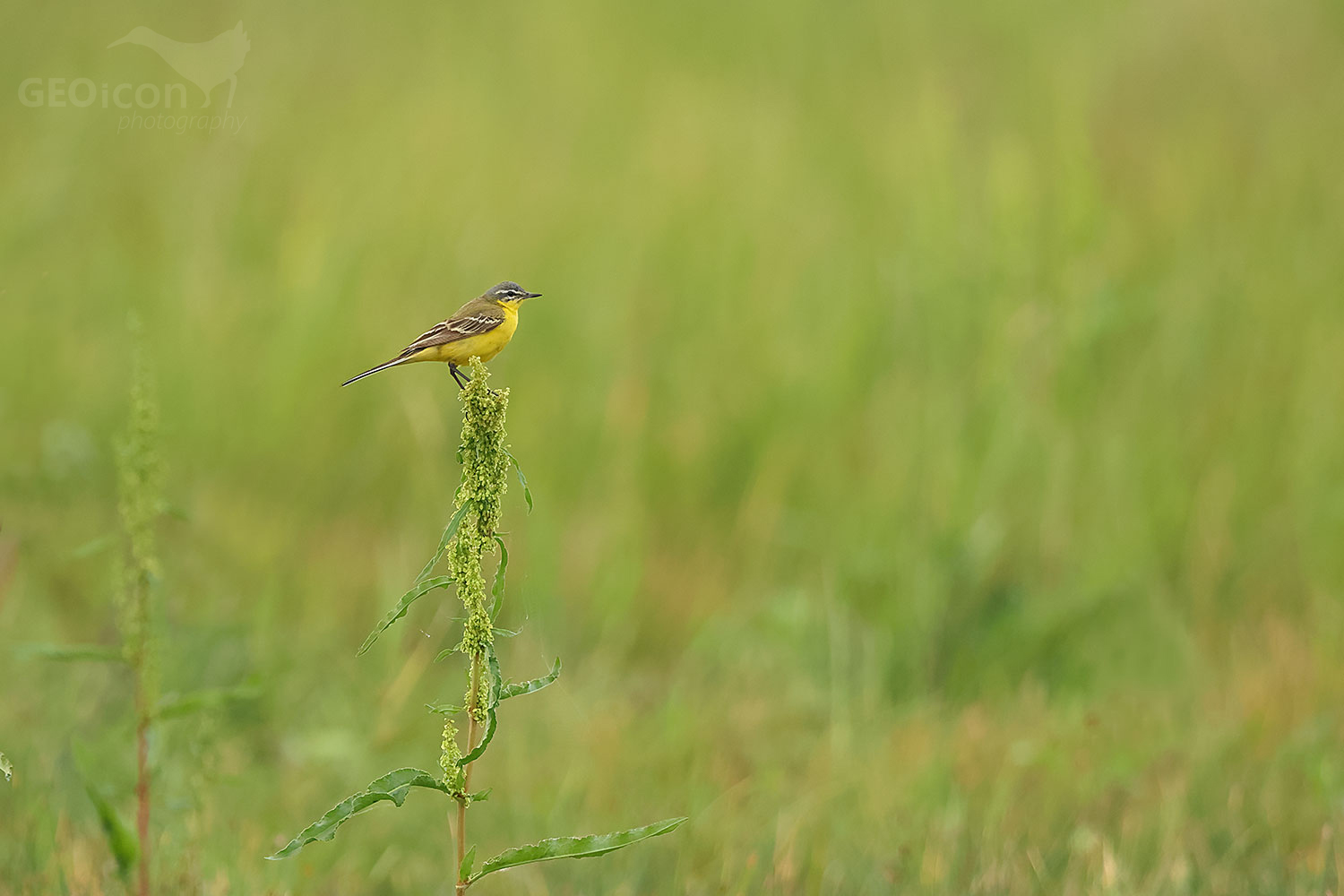
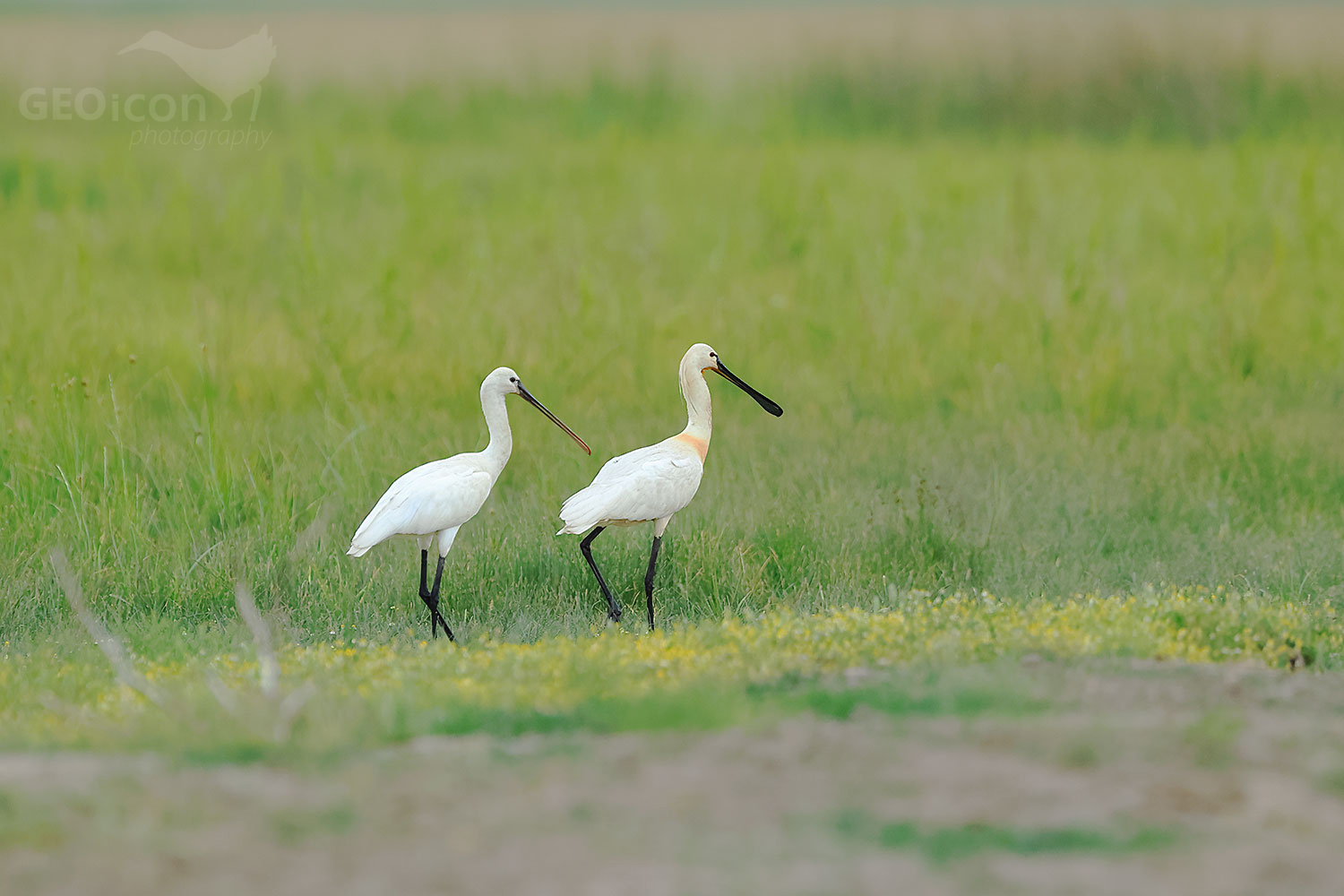
A walk on the uncut lawn reveals that nature is still in order here. Hundreds of invertebrates, grasshoppers, bees, beetles and other insects fly away from under your feet. On the water surface, we observe, through binoculars, Squacco Heronhairy and Little Egret, White Spoonbills, Whiskered tern, Caspian Tern, Red-crested Pochard, Ferruginous Duck, Black-winged Stilt, Piet Avoced and many other bird species.
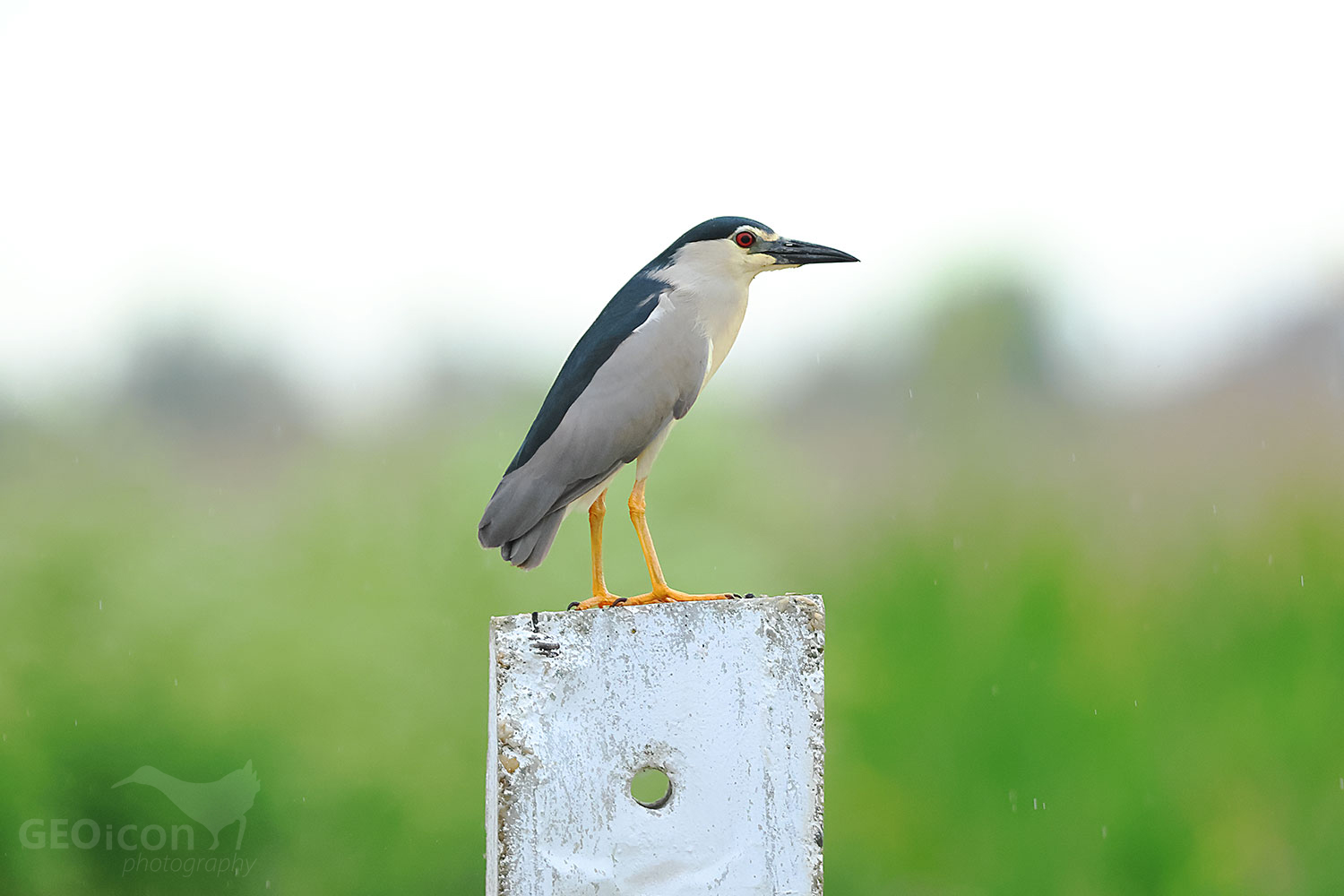
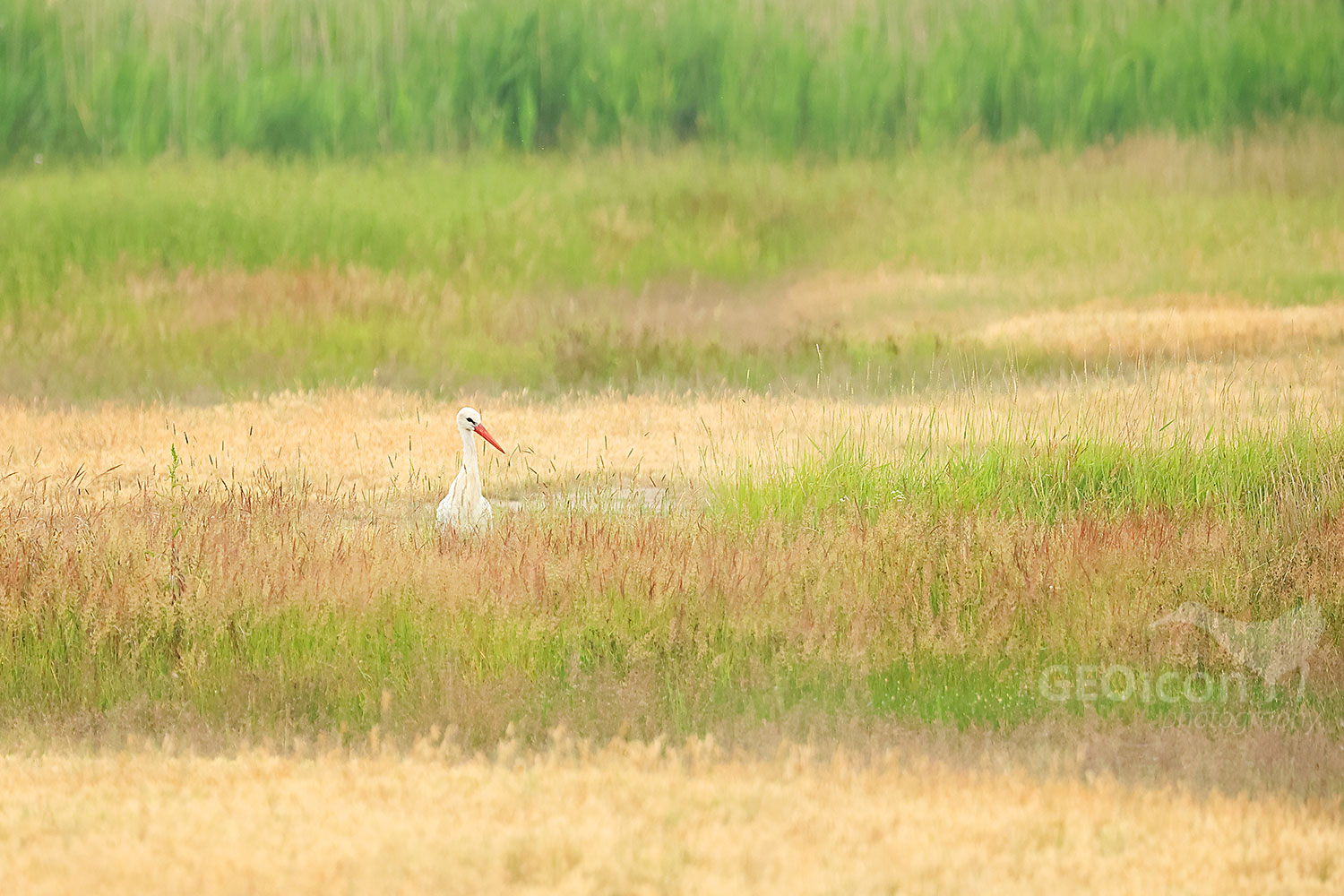
This time, however, my friends and I did not come to photograph bird jewels on the water surface. Our plans were more related to the drier corners of the local landscape. An integral and natural part of the local flatland are acacia groves. There are a lot of them here and they are often a refuge for many bird species. And they do not mind the close presence of people, most often agricultural farms. People also often attract these birds here by putting up birdhouses. However, they are slightly larger than the ones we have in the garden for tits.
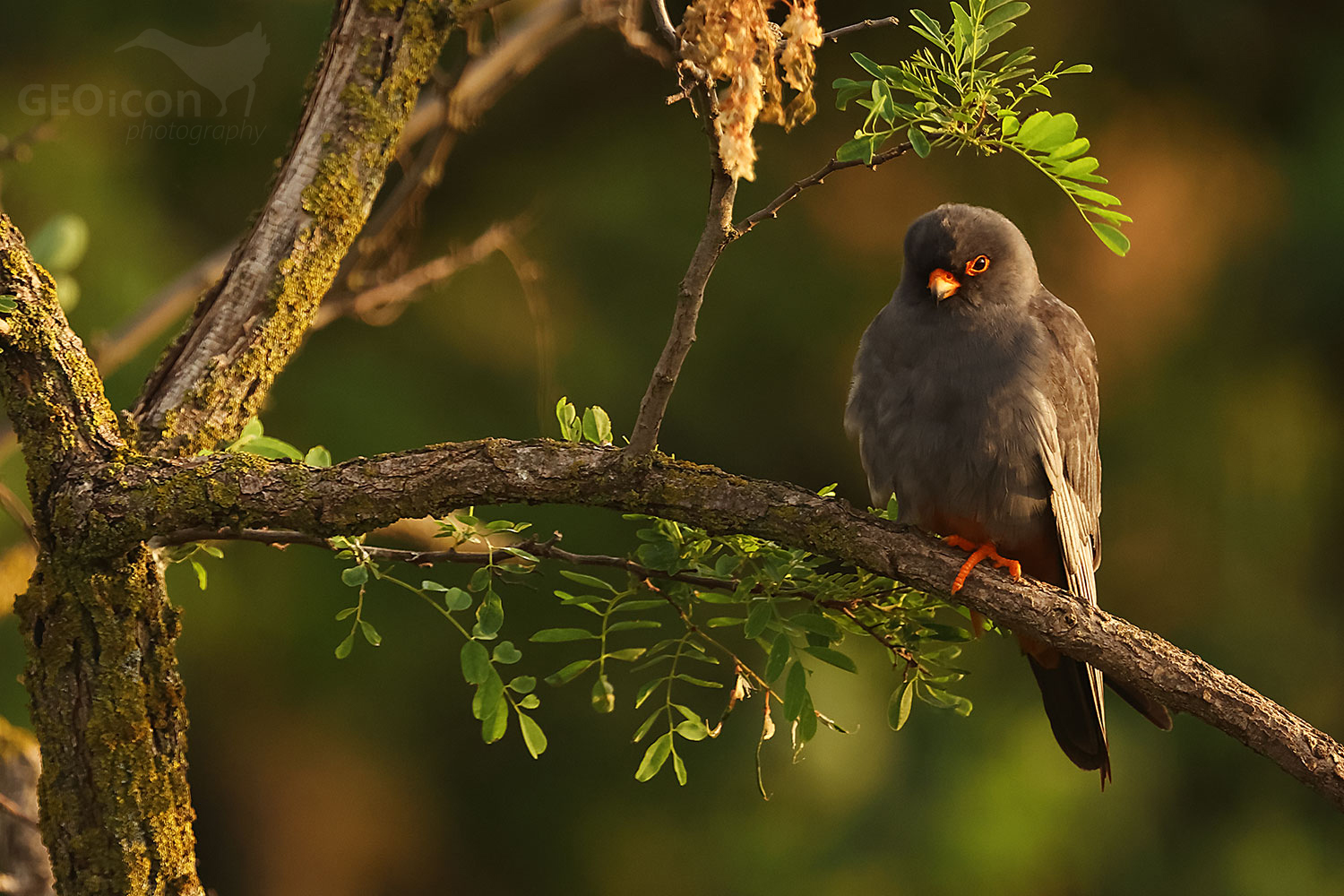
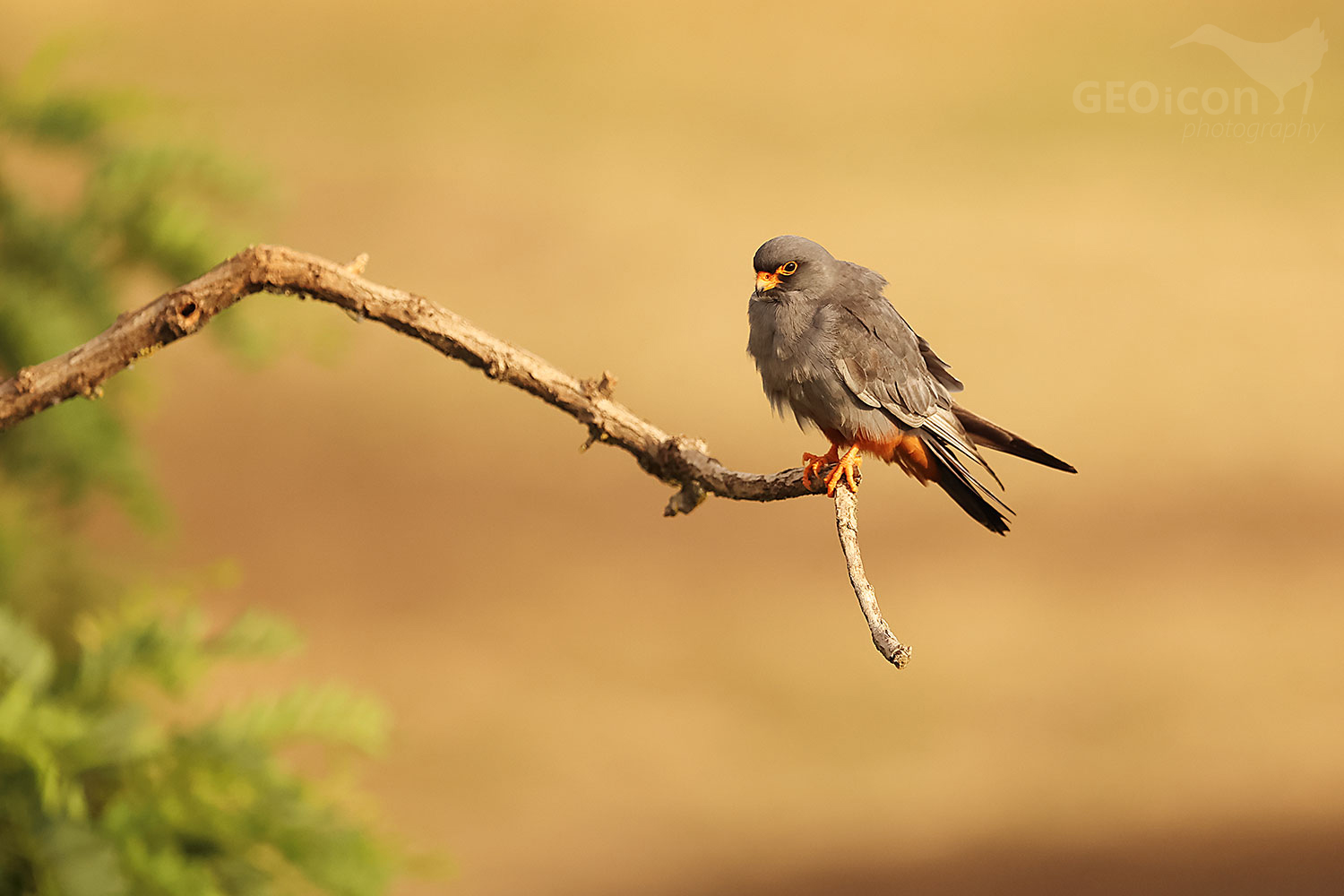
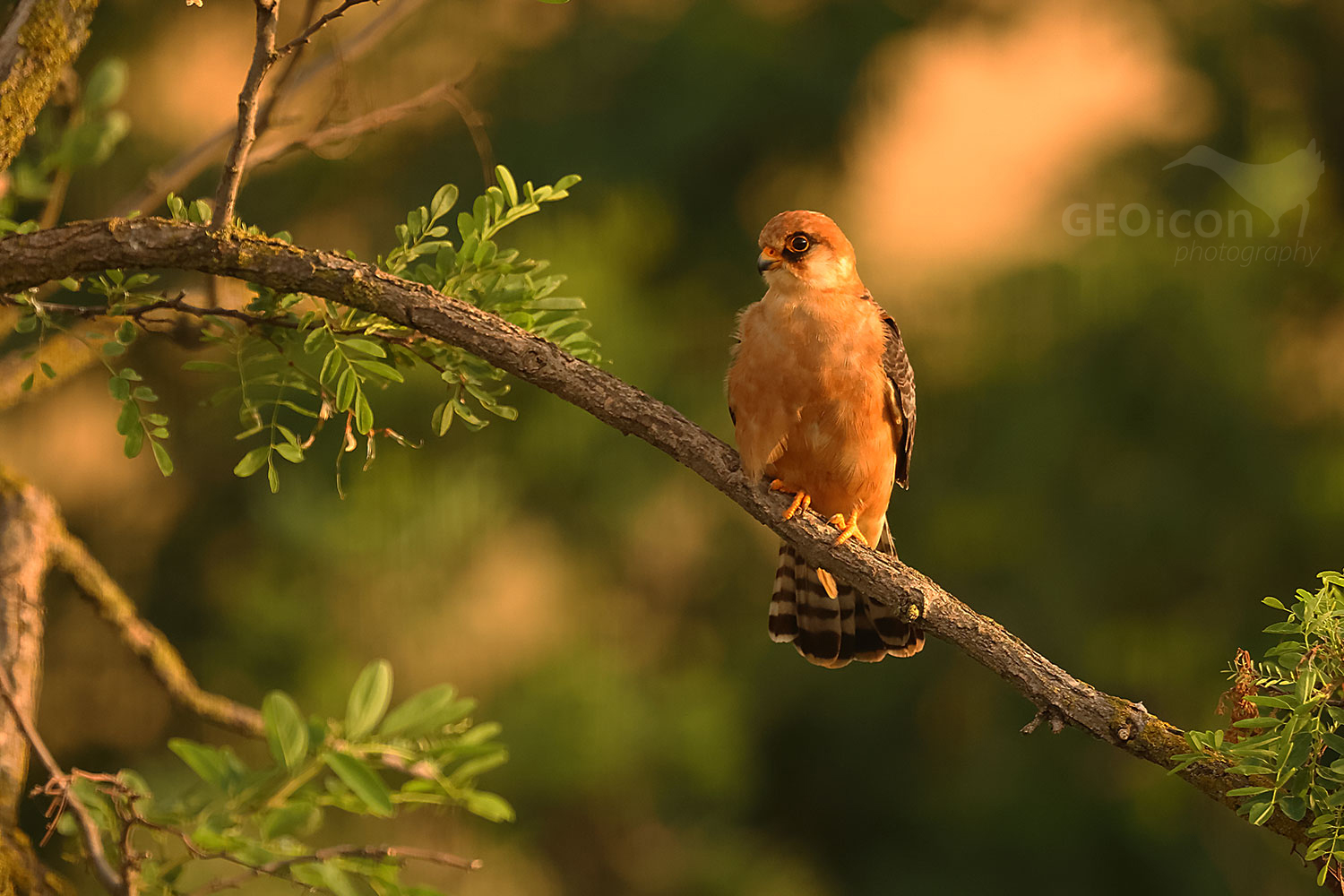
It’s hard to decide whether the blue-gray male or the orange-colored female Red-footed kestrel is prettier.
One of these bird gems is the Red-footed Falcon. A somewhat smaller and more thermophilic cousin of our Common Kestrel. However, the latter also nests here. Both species feed on small rodents, which certainly earns them the favor of local farmers. However, the smaller red-footed kestrel does not disdain larger insects, which are much more abundant here in the Hungarian wasteland than in the intensively cultivated agricultural landscape of Bohemia and Moravia. This is perhaps the reason why this species has not yet nested in our region, despite the general warming.
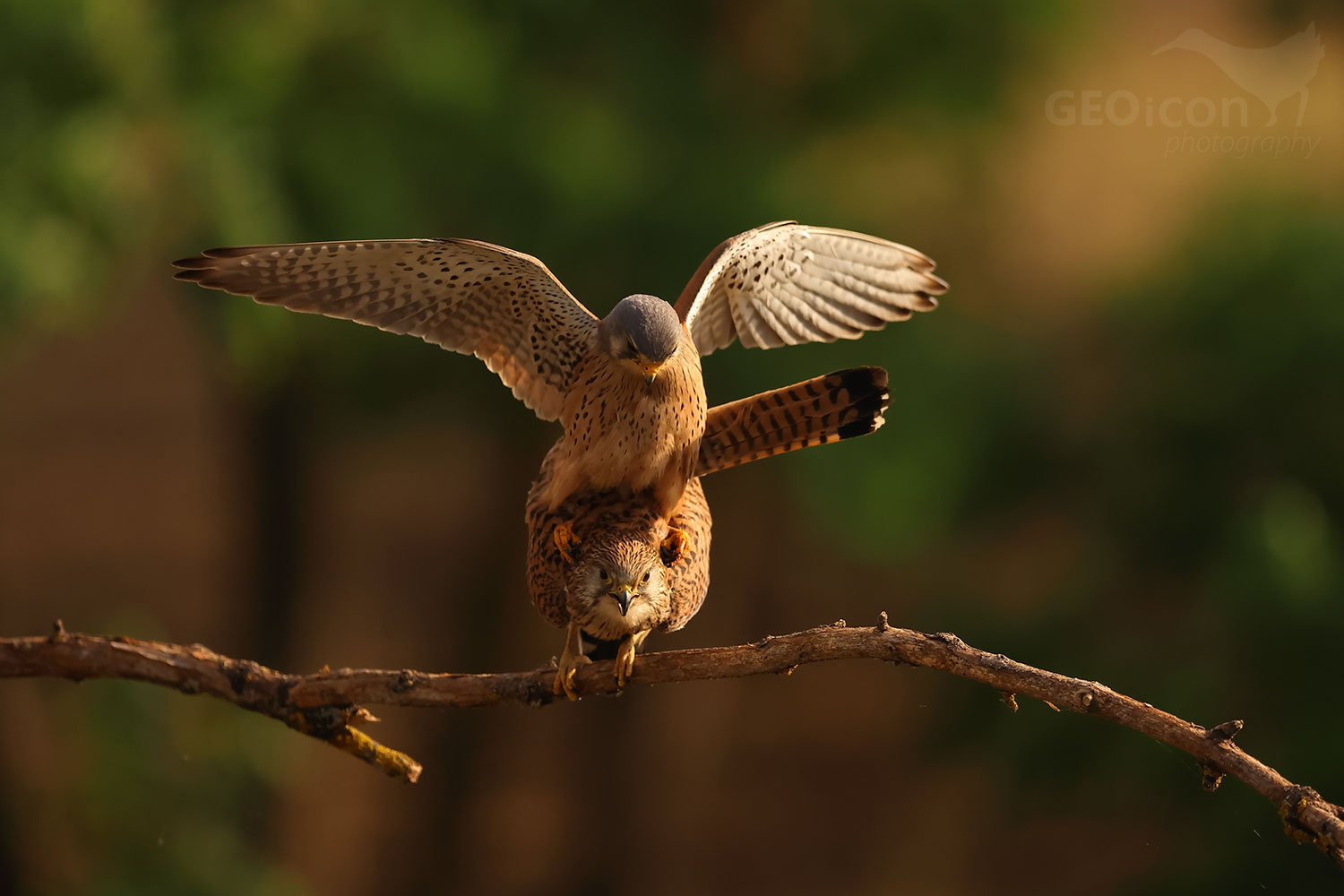
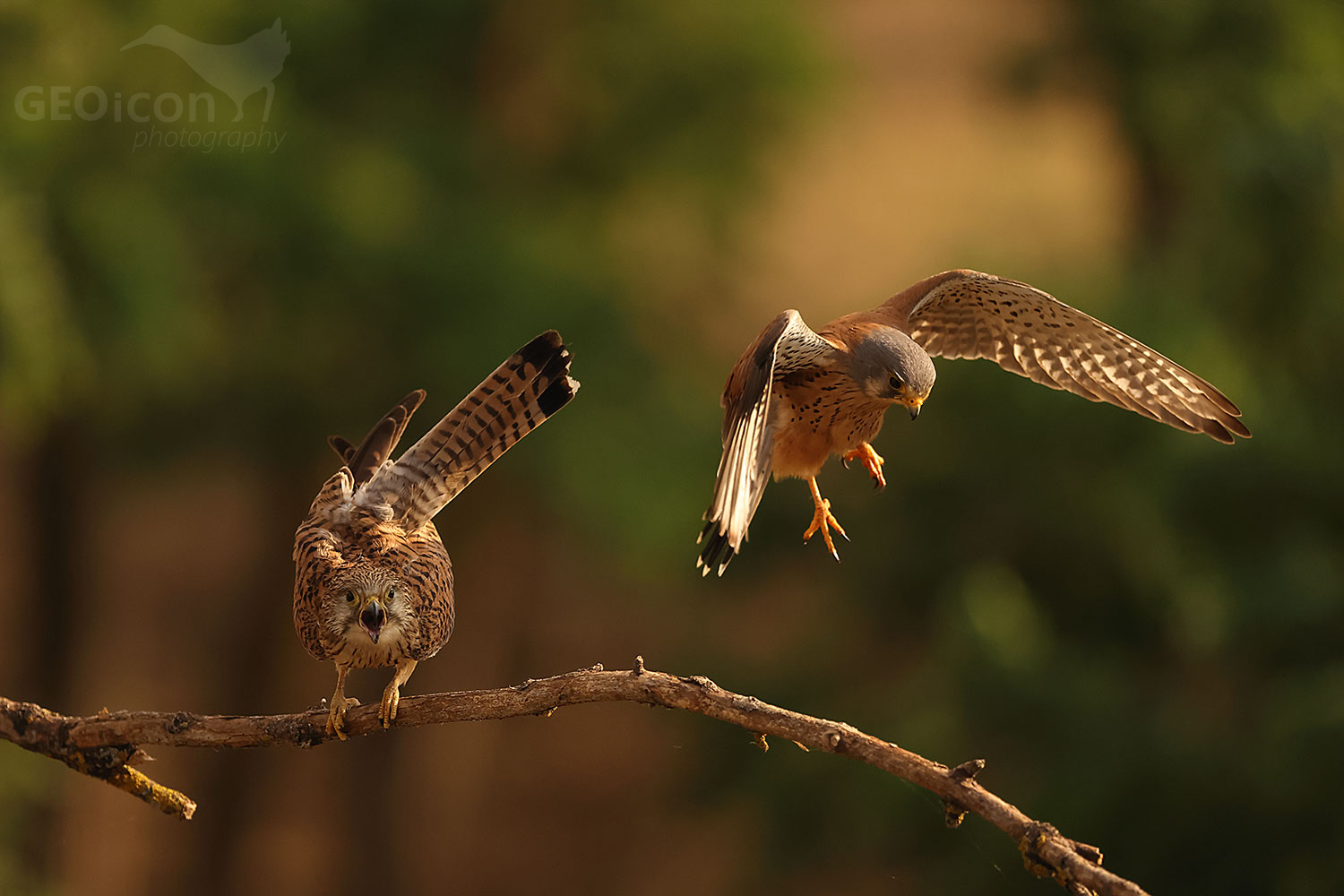
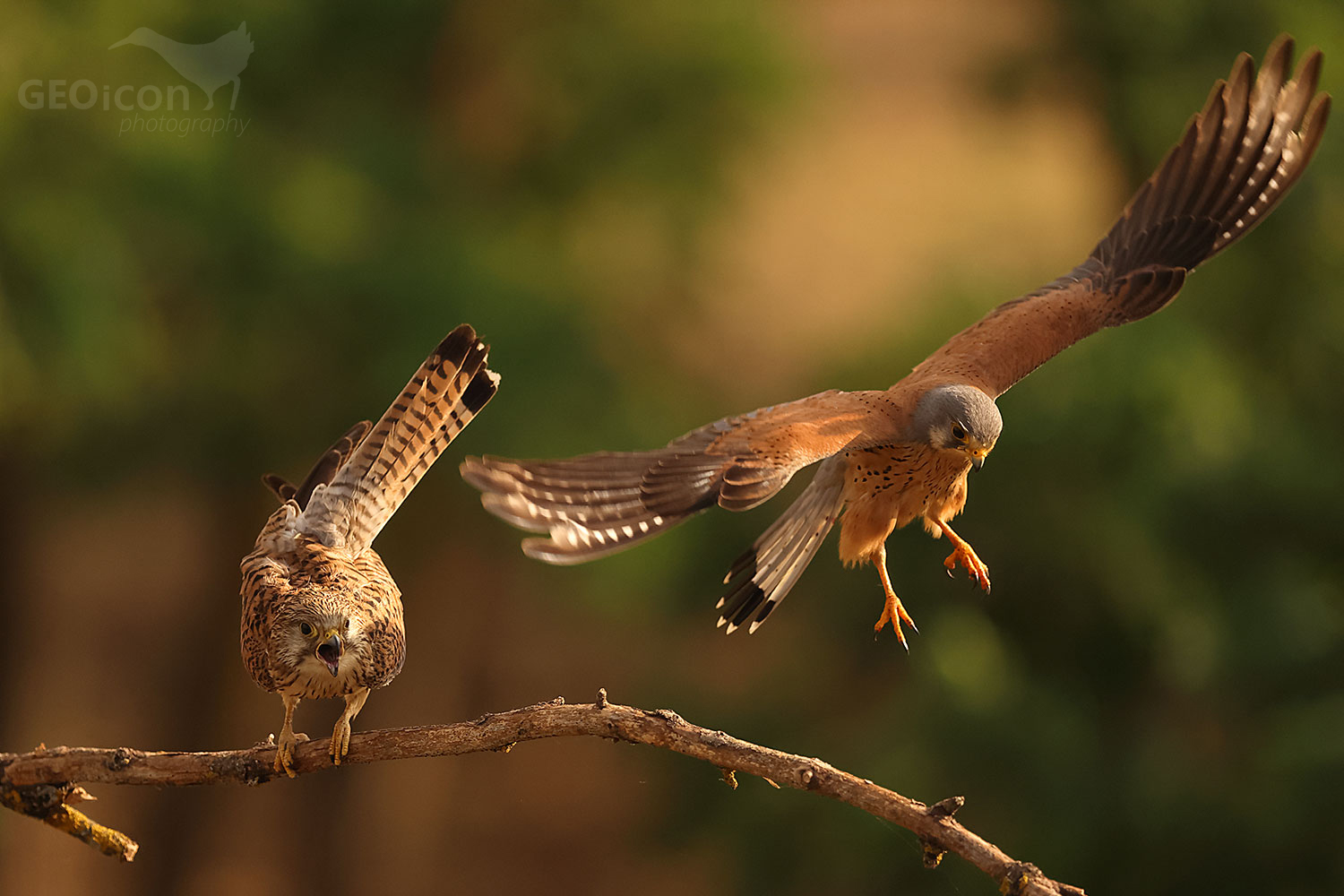
Observing the mating of Common kestrels up close is one of the most special moments for a wildlife photographer.
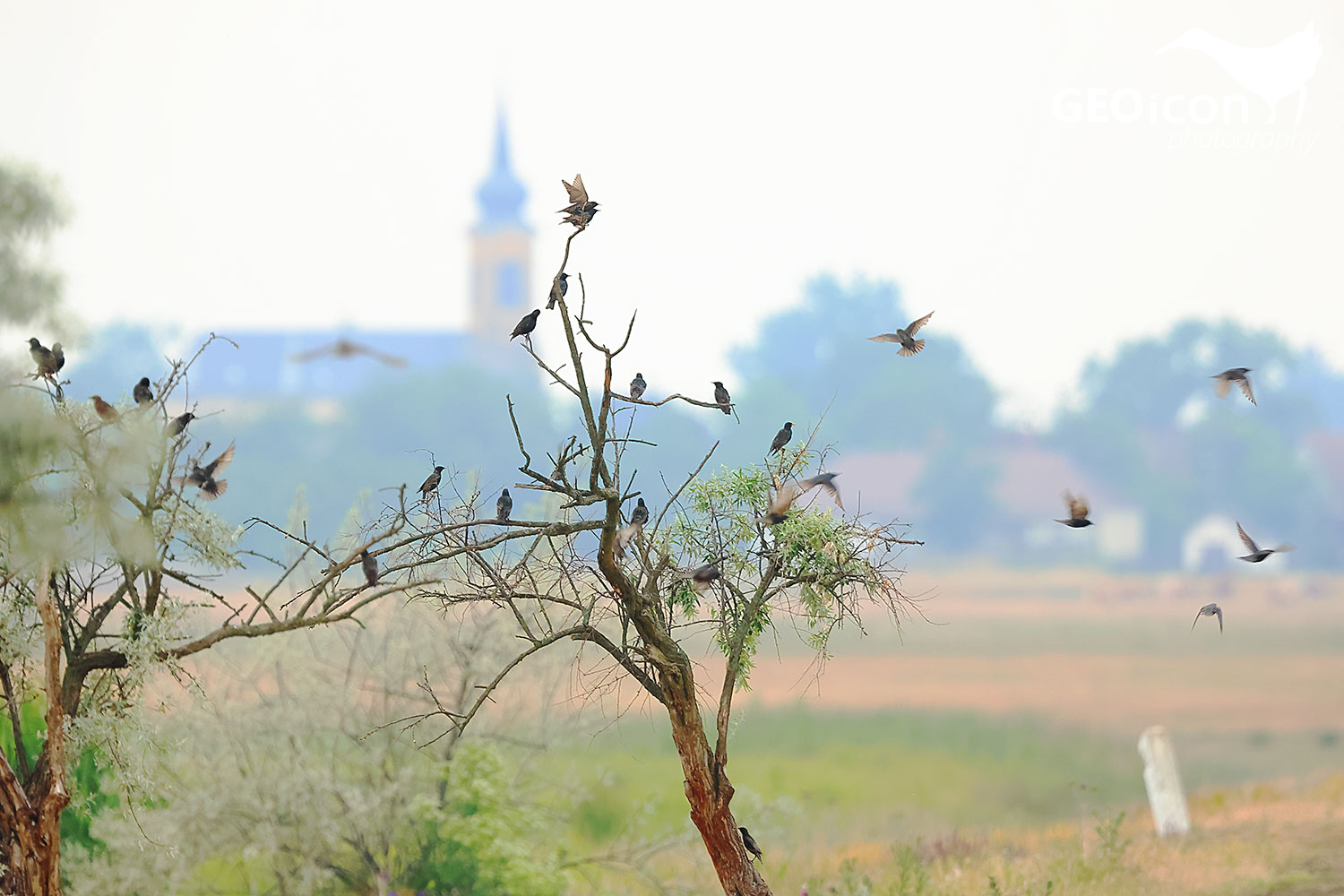
But other birds are also very grateful subjects for photographers. Like all corvids, Western Jackdaws are very social birds. They nest in colonies, spend the night in colonies, fly in a common flock for food, and in autumn they roam the countryside in flocks with ravens. Jackdaws very willingly settled in the boxes that were not occupied by Kestrels. There is a strict hierarchy in the flock. However, it is necessary to strive for a place in the social ladder day after day, hour after hour. There is never a shortage of constant bickering here. And sometimes things even spark between kestrels and Jackdaws.
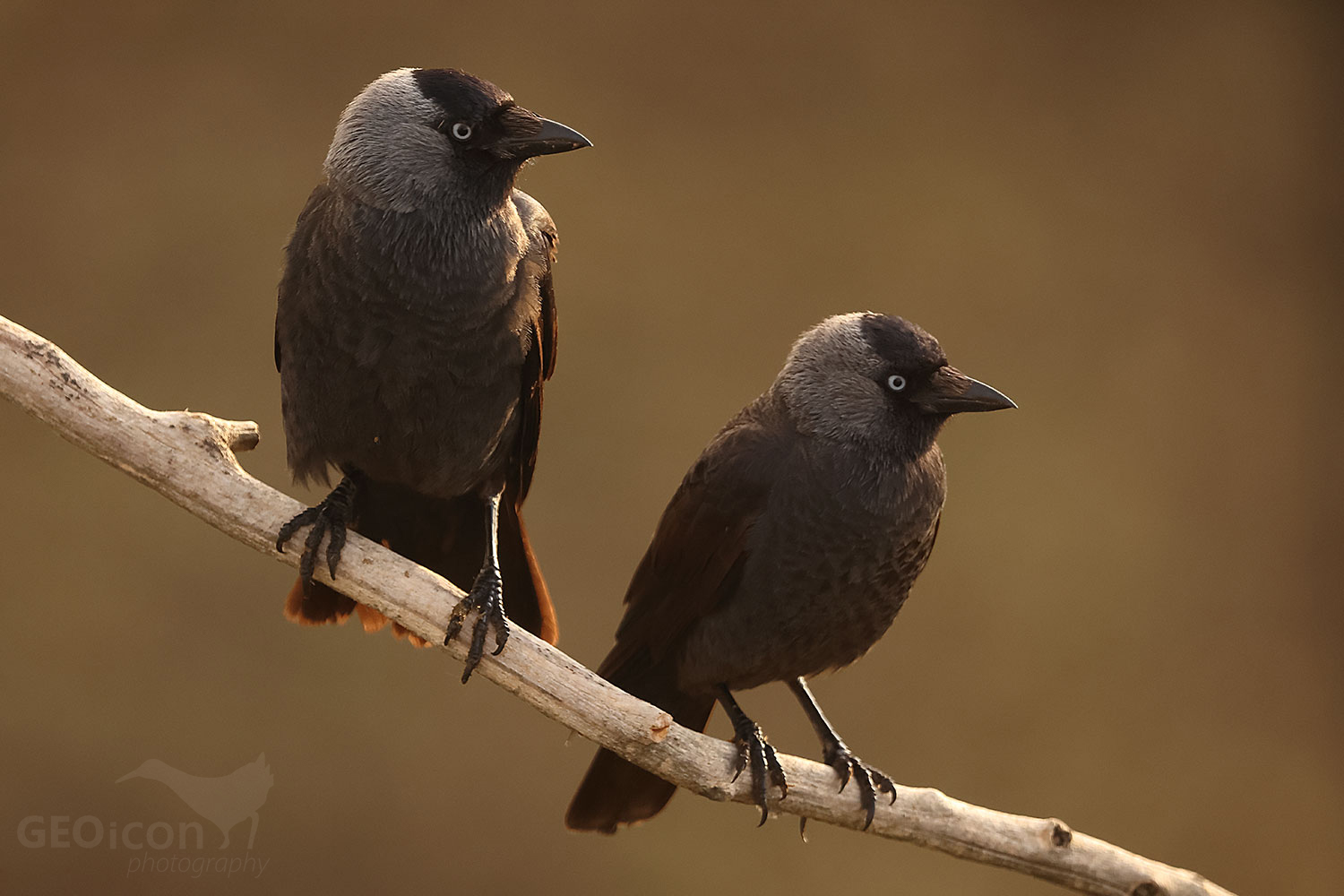
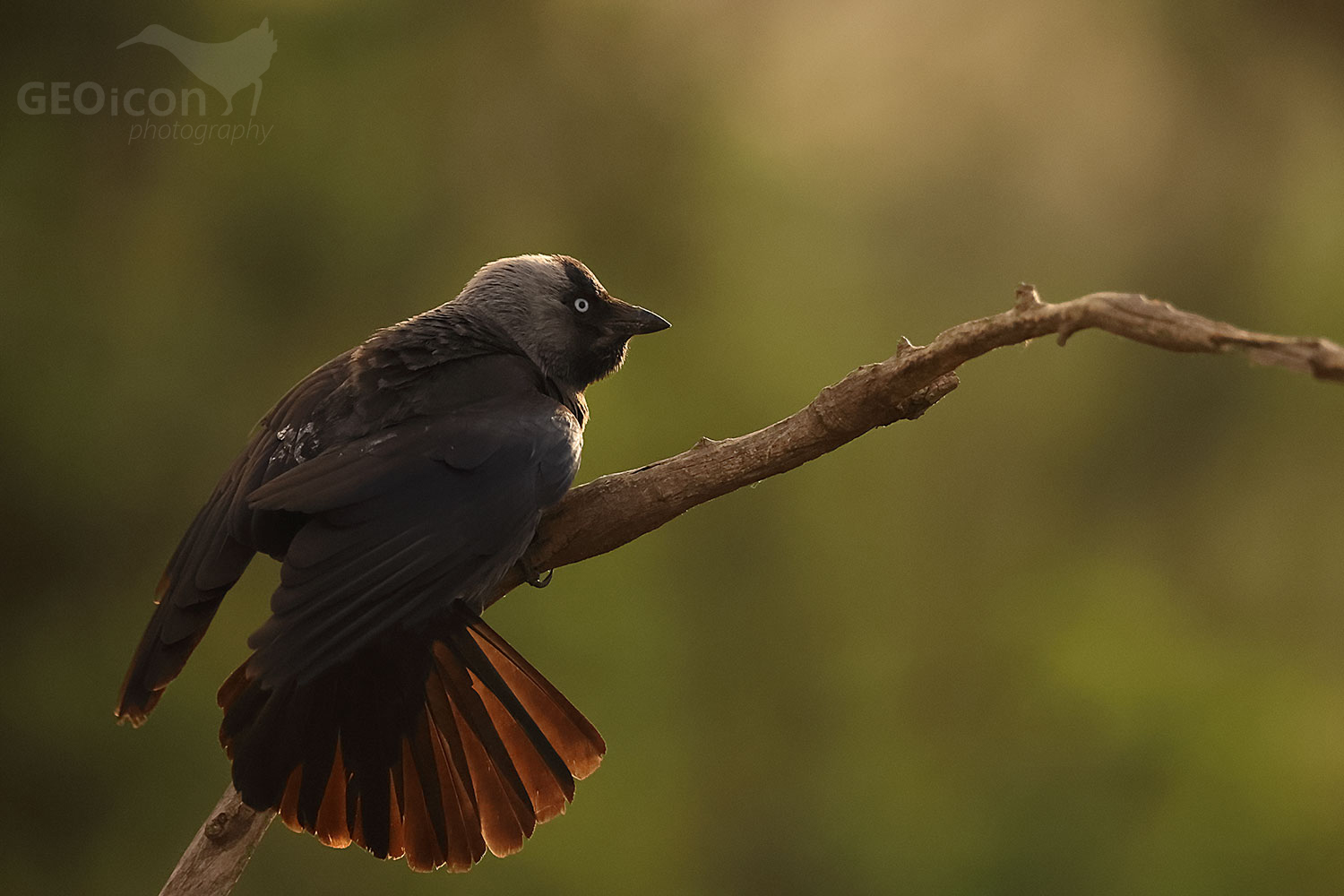
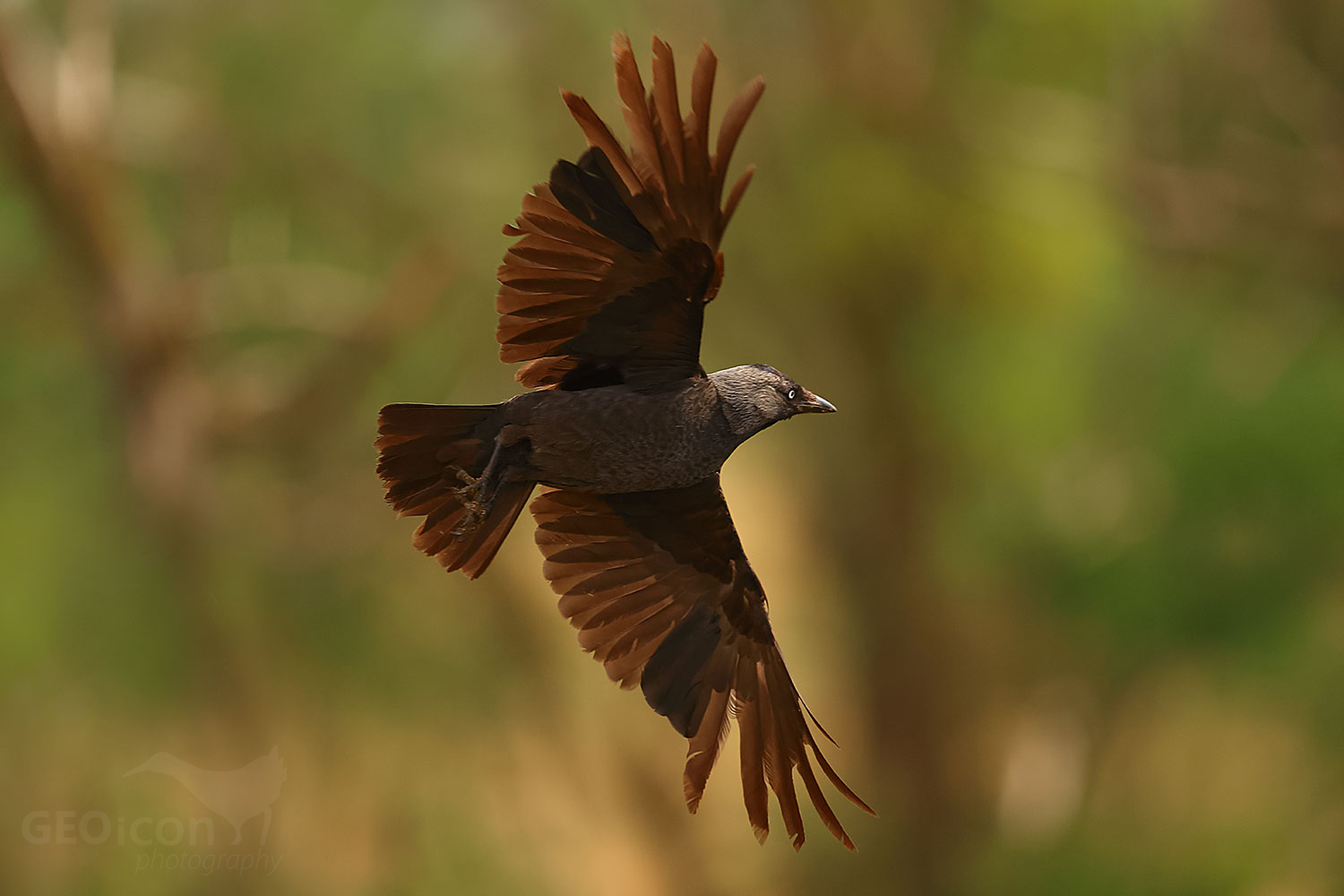
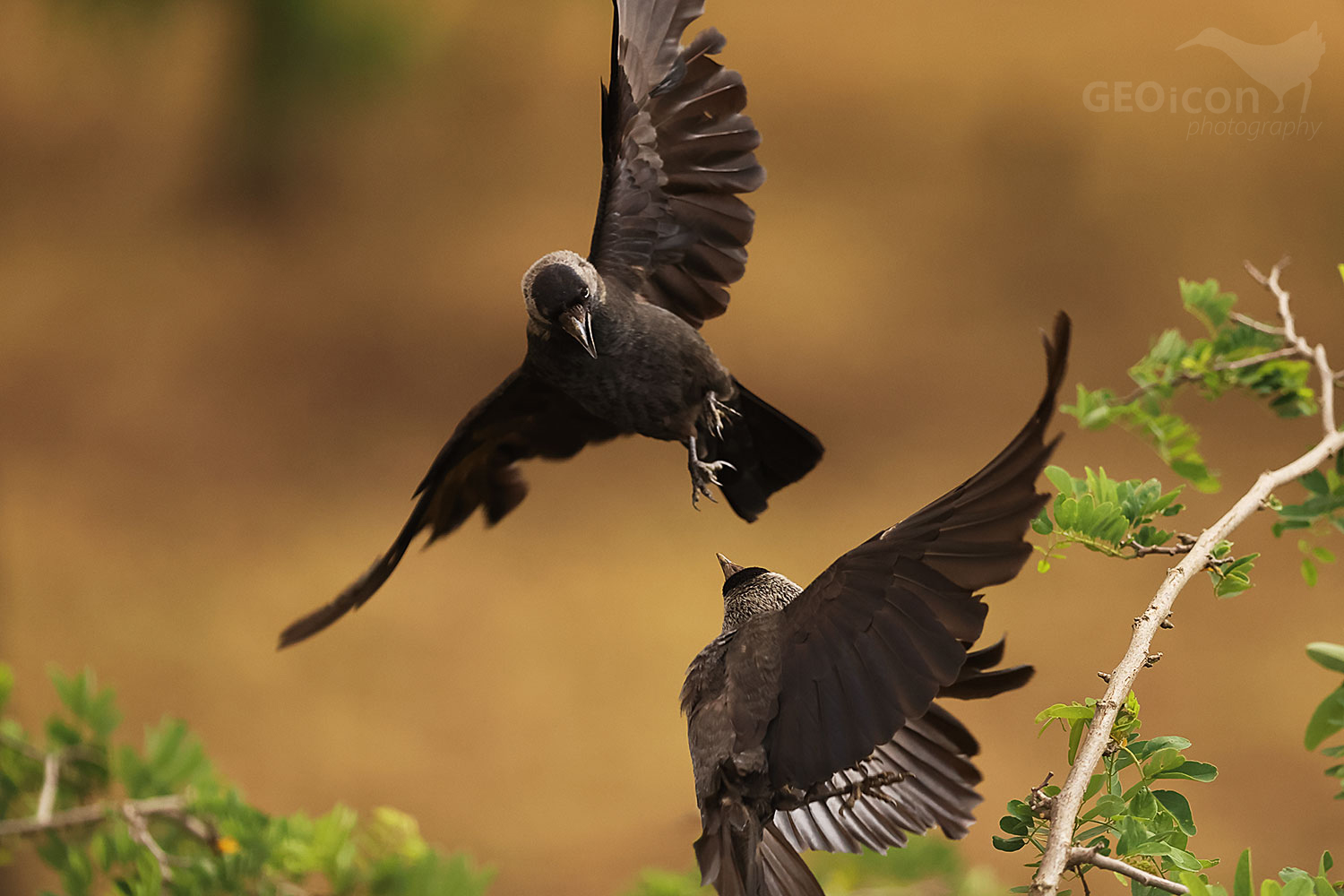
There is no shortage of constant bickering in a Jackdaw colony. In the right light, you can clearly see the sun-bleached feathers of the jackdaws turning a rusty color.
However, the uncrowned king of birds here in the Hungarian wasteland is undoubtedly the European Roller. One of the most brightly colored bird species in Europe. A bird that in the second half of the 19th century also nested near the town of Jičín in eastern Bohemia, my birthplace. In recent years, it has only been timidly appearing in the Czech Republic and there is hope that it will start nesting here again. We were lucky that the male we came across had built a nest with two females at once. While one was already sitting on the nest in a hollow, the other was just bringing gifts in the form of large insects. And we even recorded mating. Apparently a good team. Even local experts were amazed.
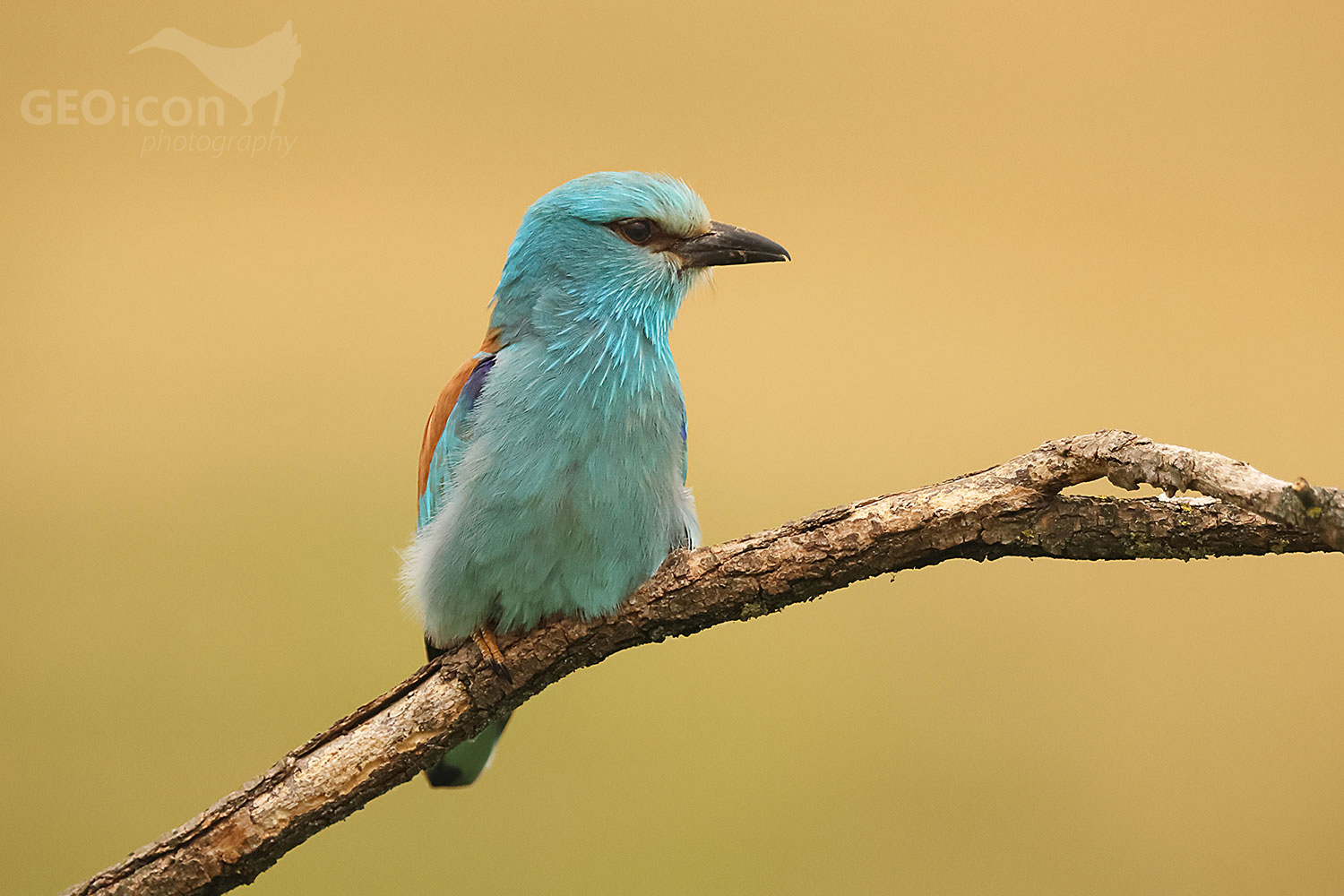
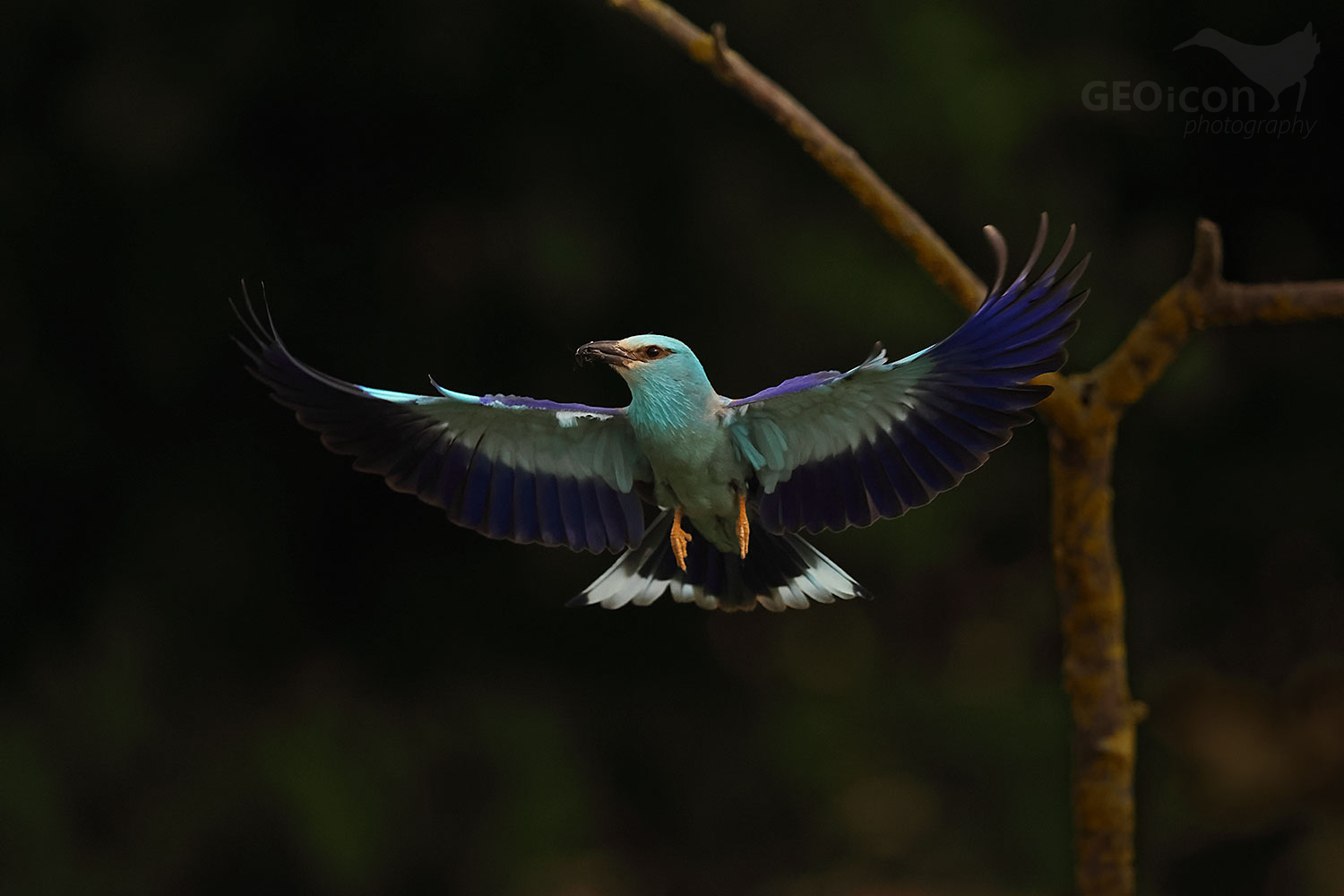
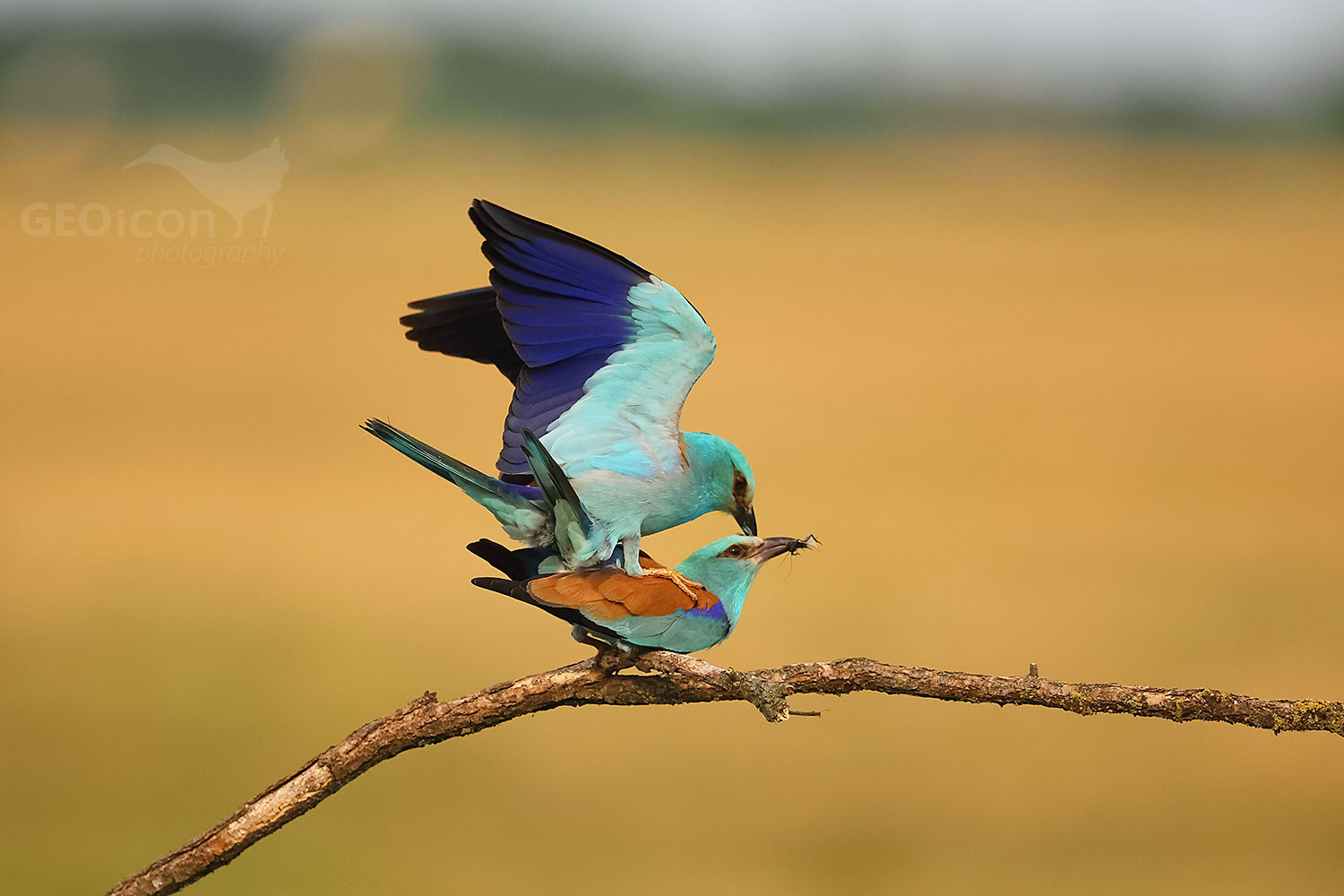
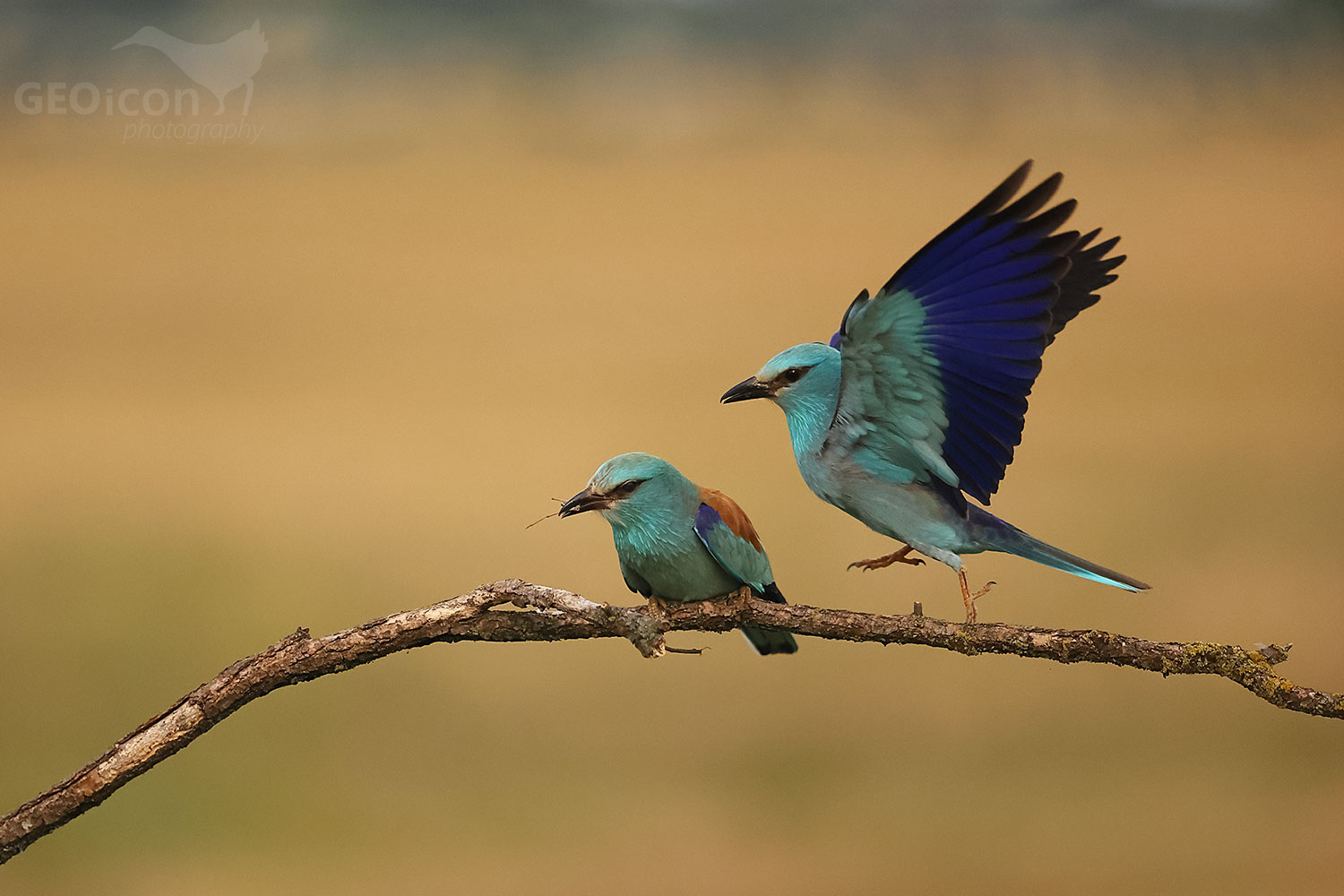
Not only are the Roller beautifully colored birds, they are also very fearless and can drive away much larger predators from their nest.
To make sure there are not enough gems, I will add one more. It also inhabits cavities, but in the ground. It digs them out in vertical, sandy or clay walls itself. And it is even more colorful than the common jay. The European bee-eater. Anyone who sees a Bee-eater´s nesting colony for the first time will probably never forget the sight. Like the most colorful parrots, these tropical visitors perch on dry roots sticking out of vertical walls, on vegetation and right at the entrance holes of their laboriously built nest holes. They squabble only slightly less than Jackdaws. What is at stake is occupying and defending the most advantageous and safest place in the colony. Our visit caught the jays at a stage when most pairs were already incubating, so nothing significant was happening here. But just the morning spent in the presence of these beautiful birds and their melodic, bubbling calls was a great experience.
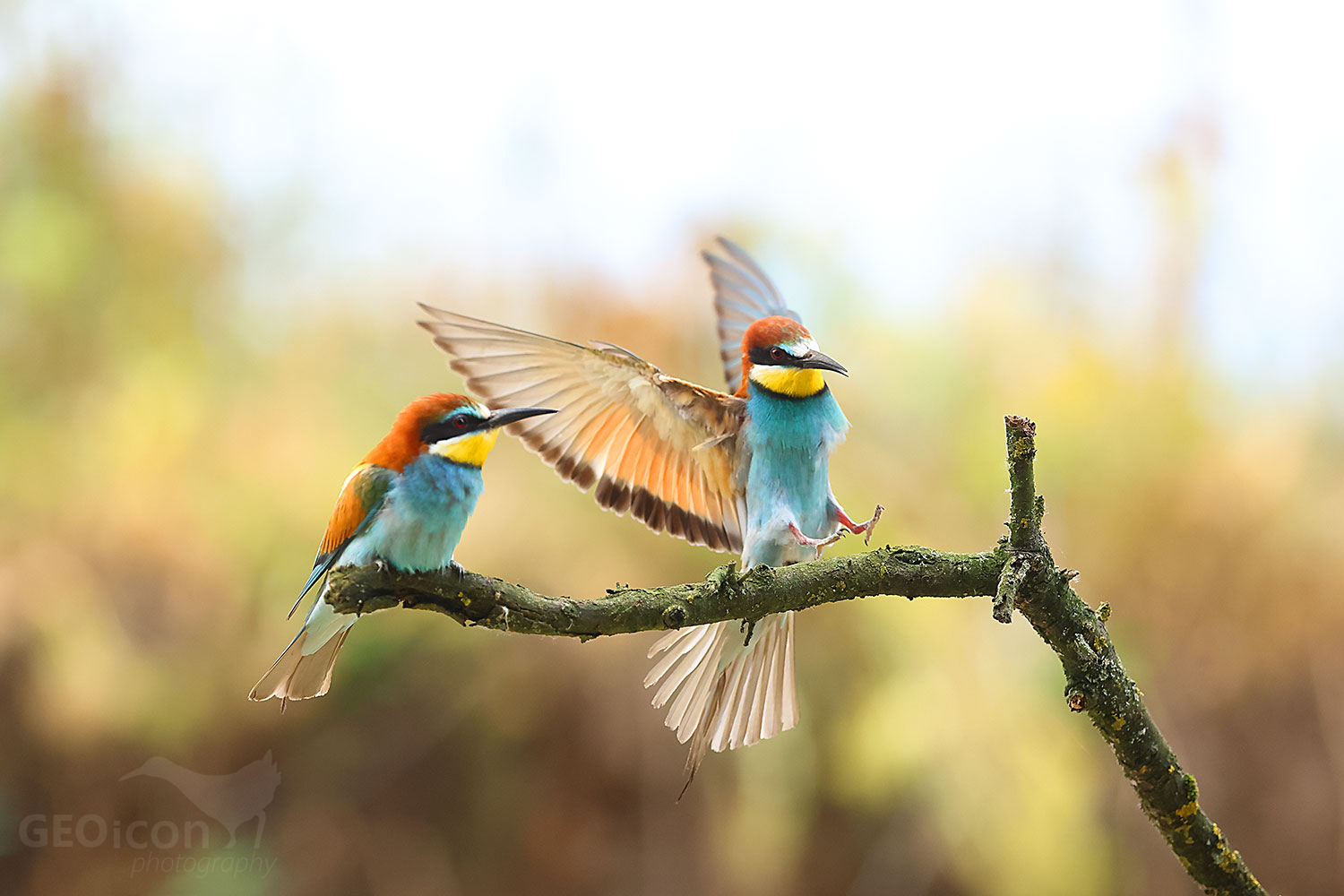
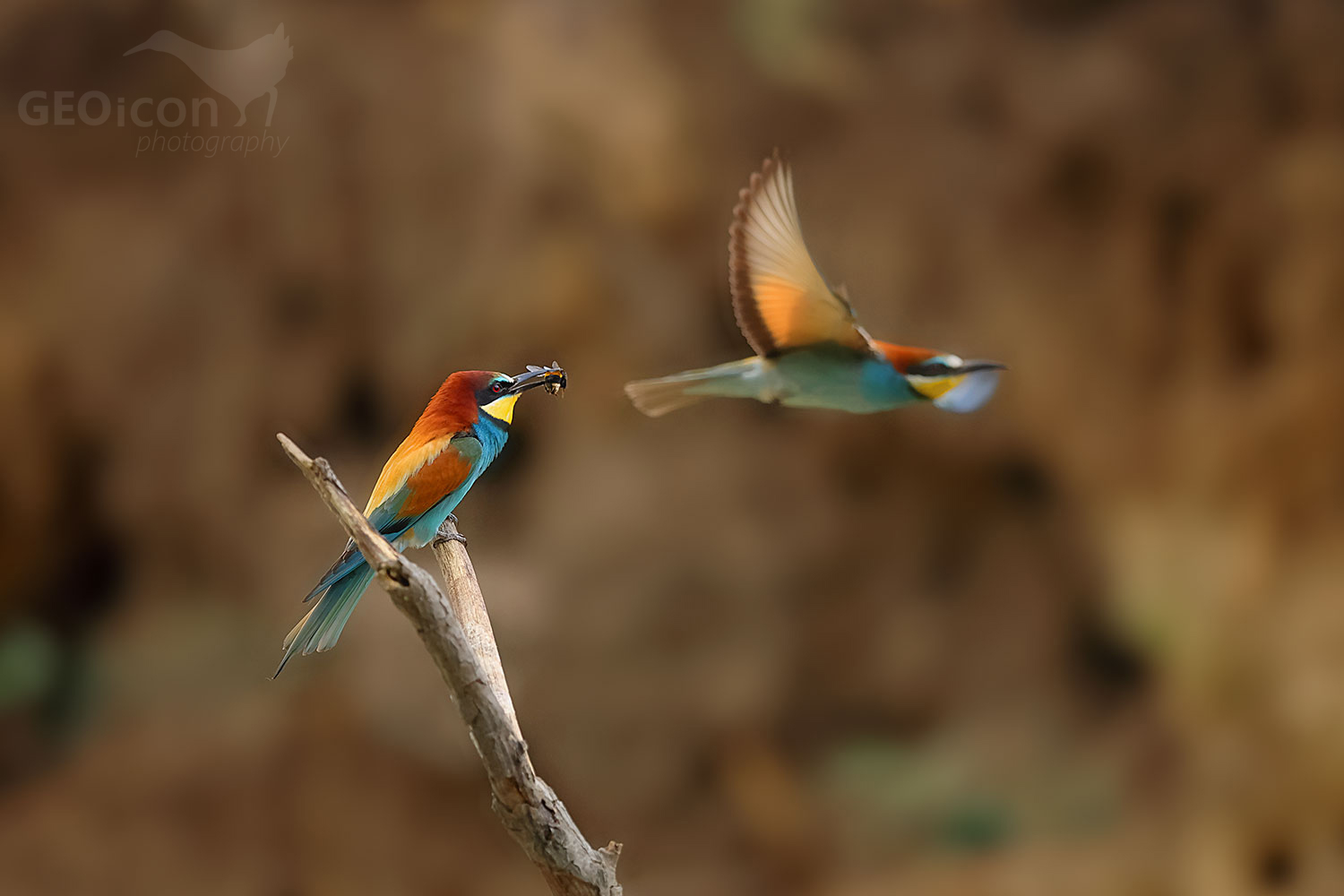
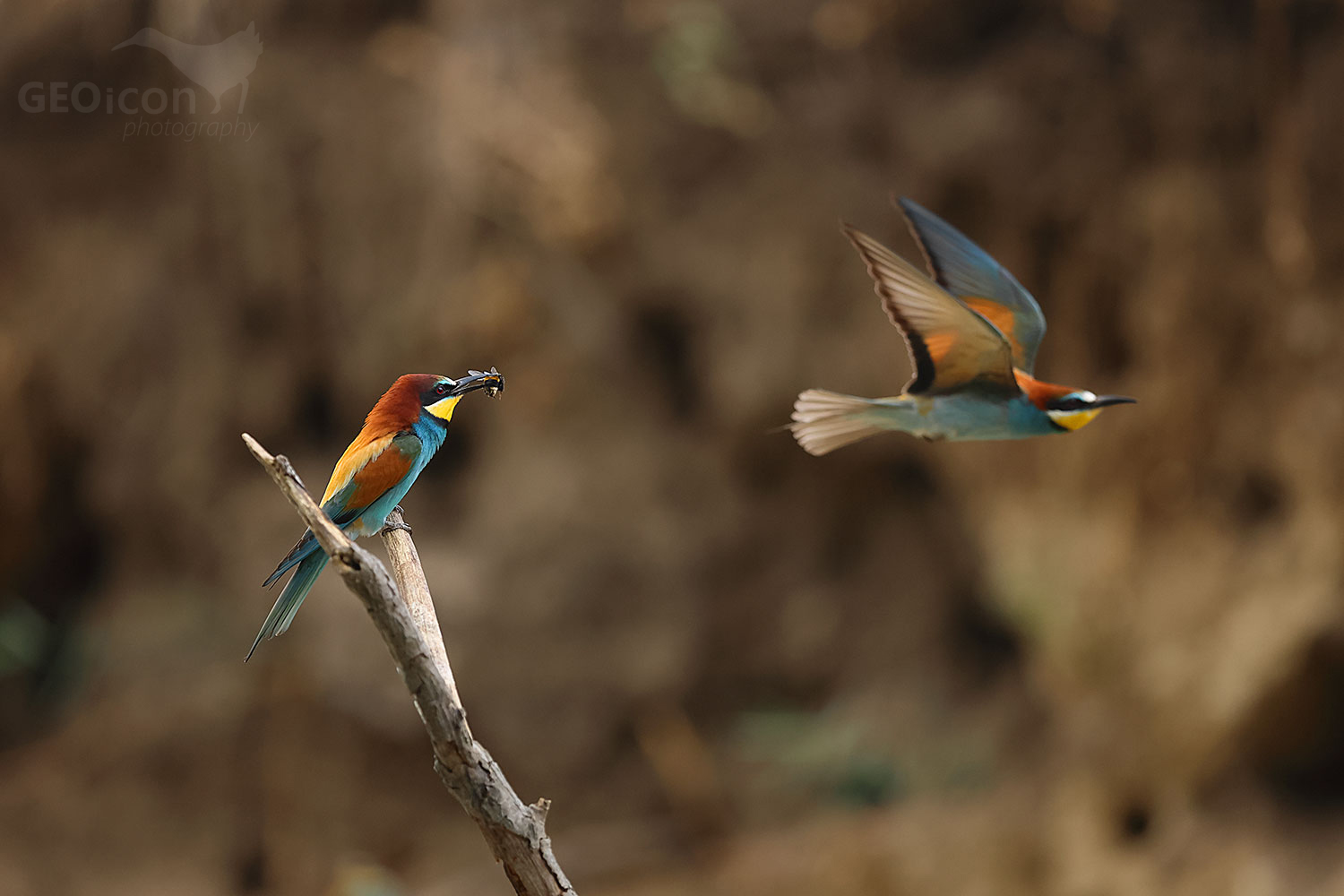
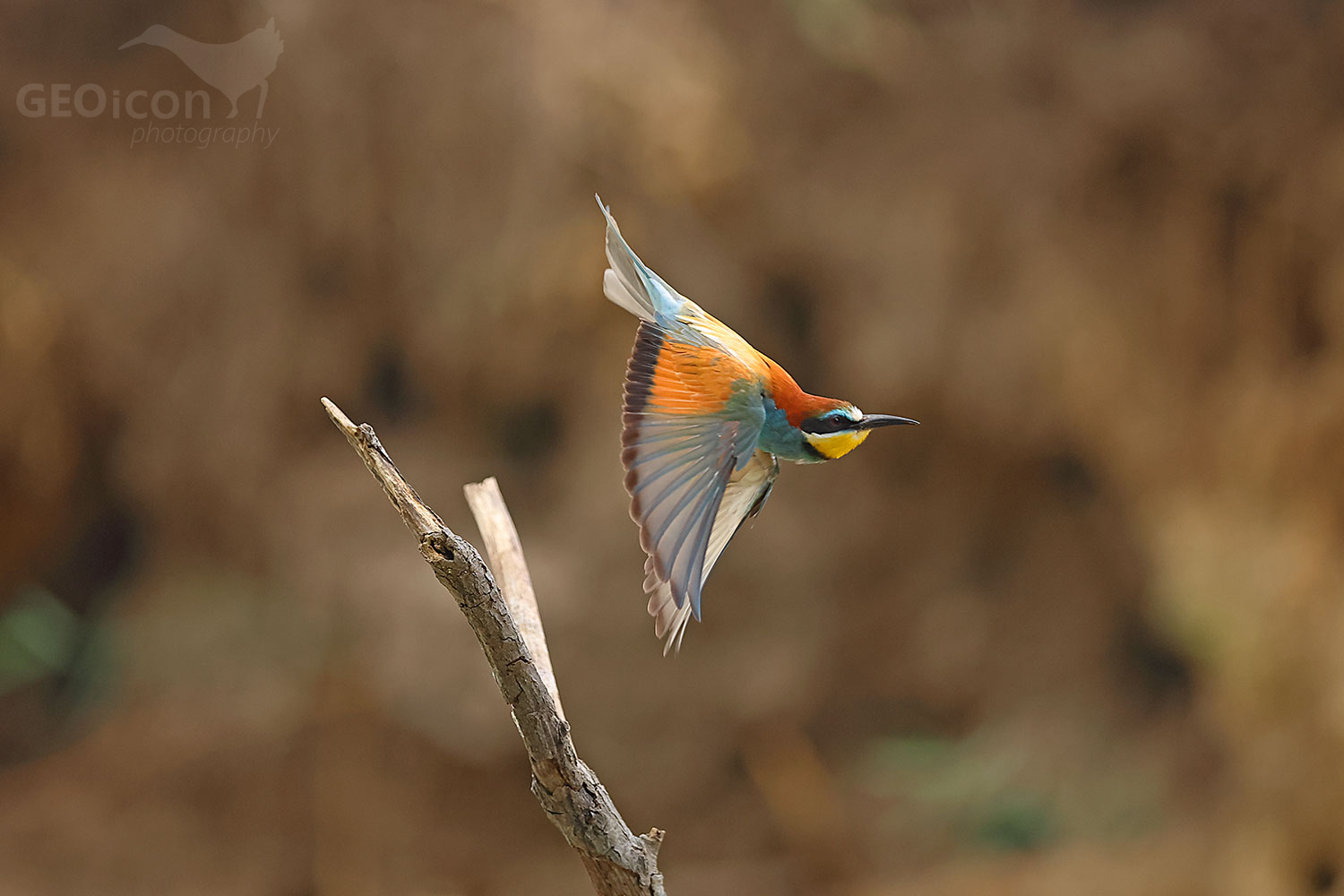
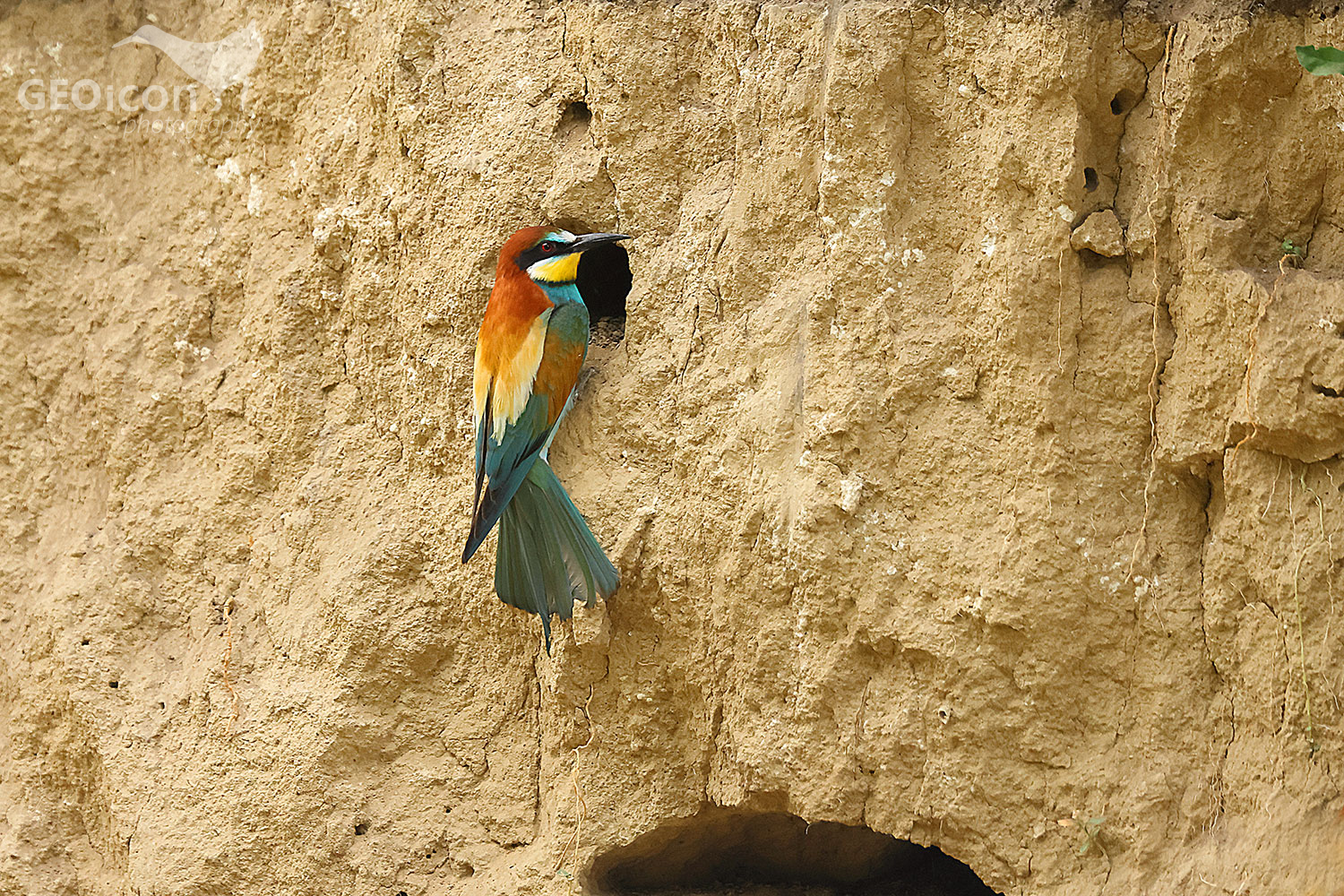
A colony of European bee-eater can often be identified by the number of adult birds flying in the sky and making their characteristic calls.
If a photographer wants to stretch their legs a bit after sitting in a photo shelter for a long time, they can go for a walk to one of the water reservoirs, artificial canals, or simply into the wilderness. They certainly won’t regret it.
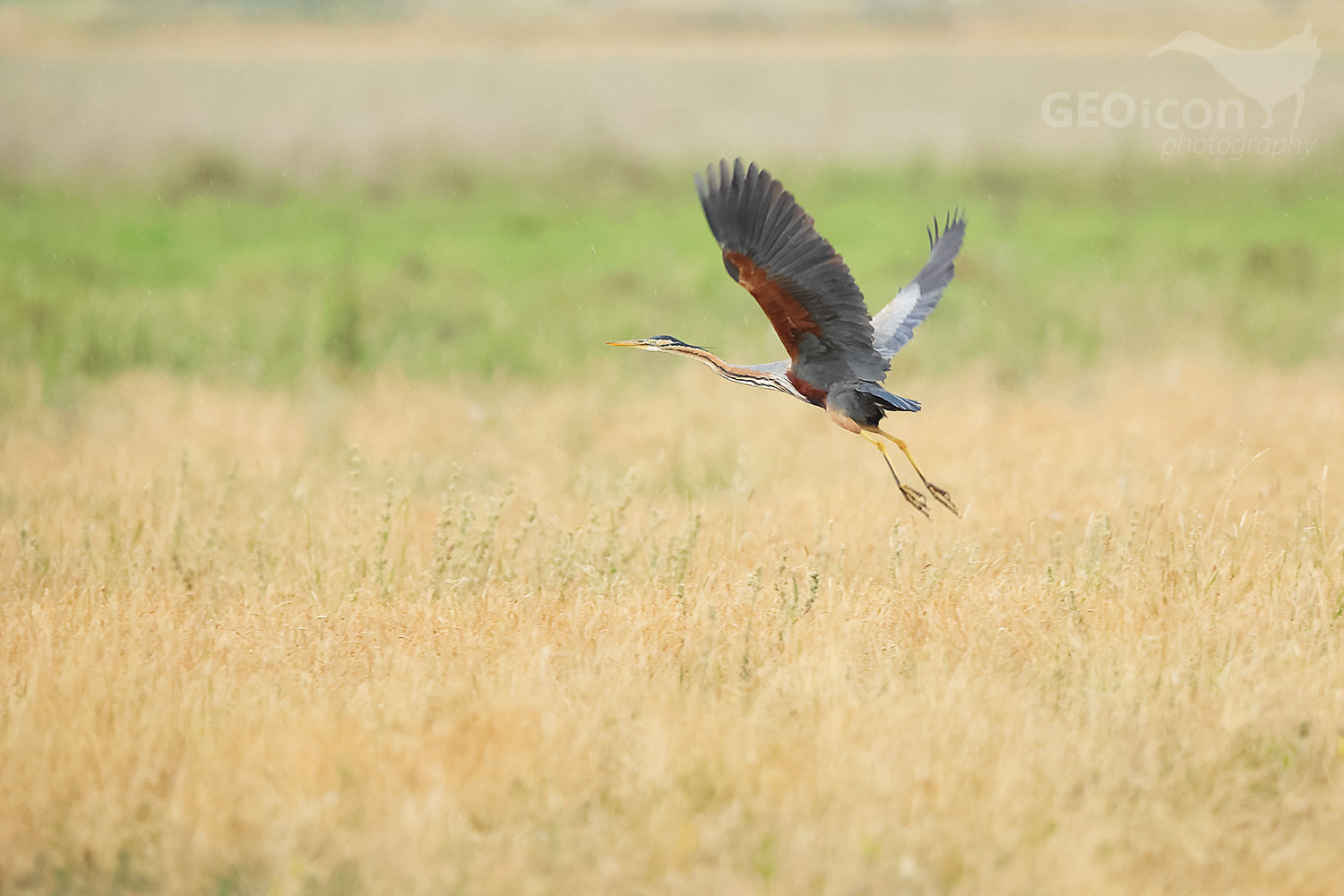
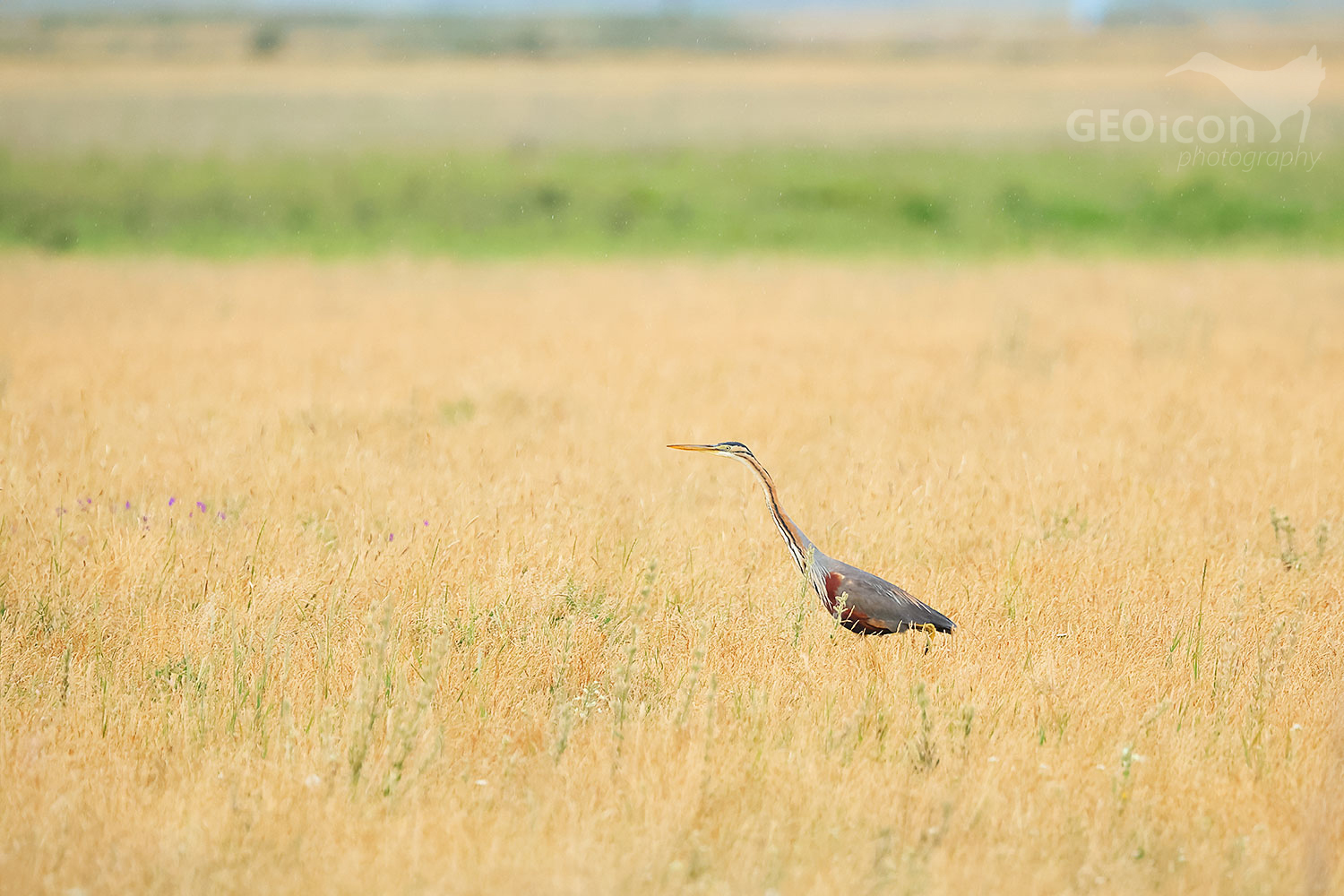
The Purple heron is the most abundant heron here and can be found far from the water.
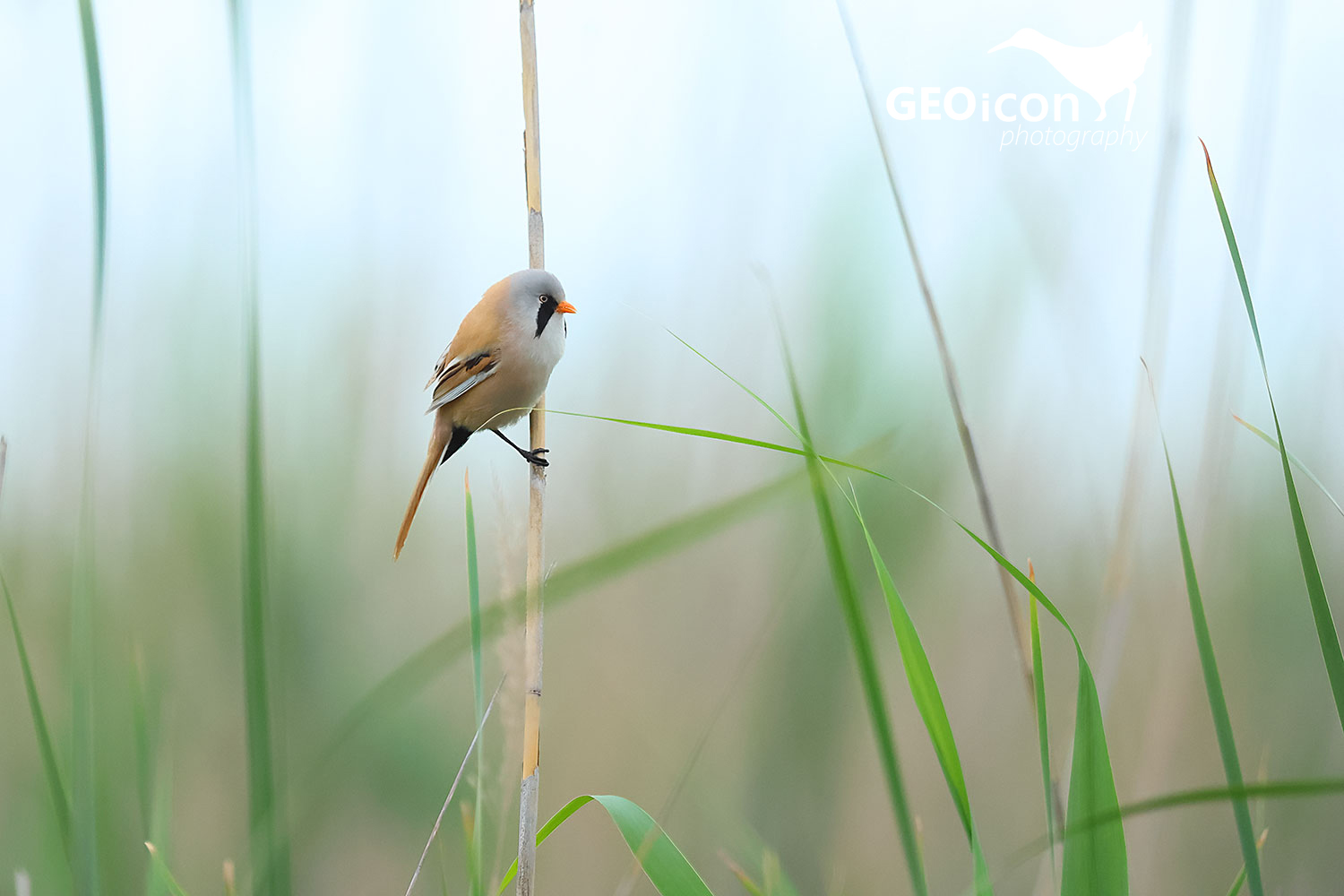
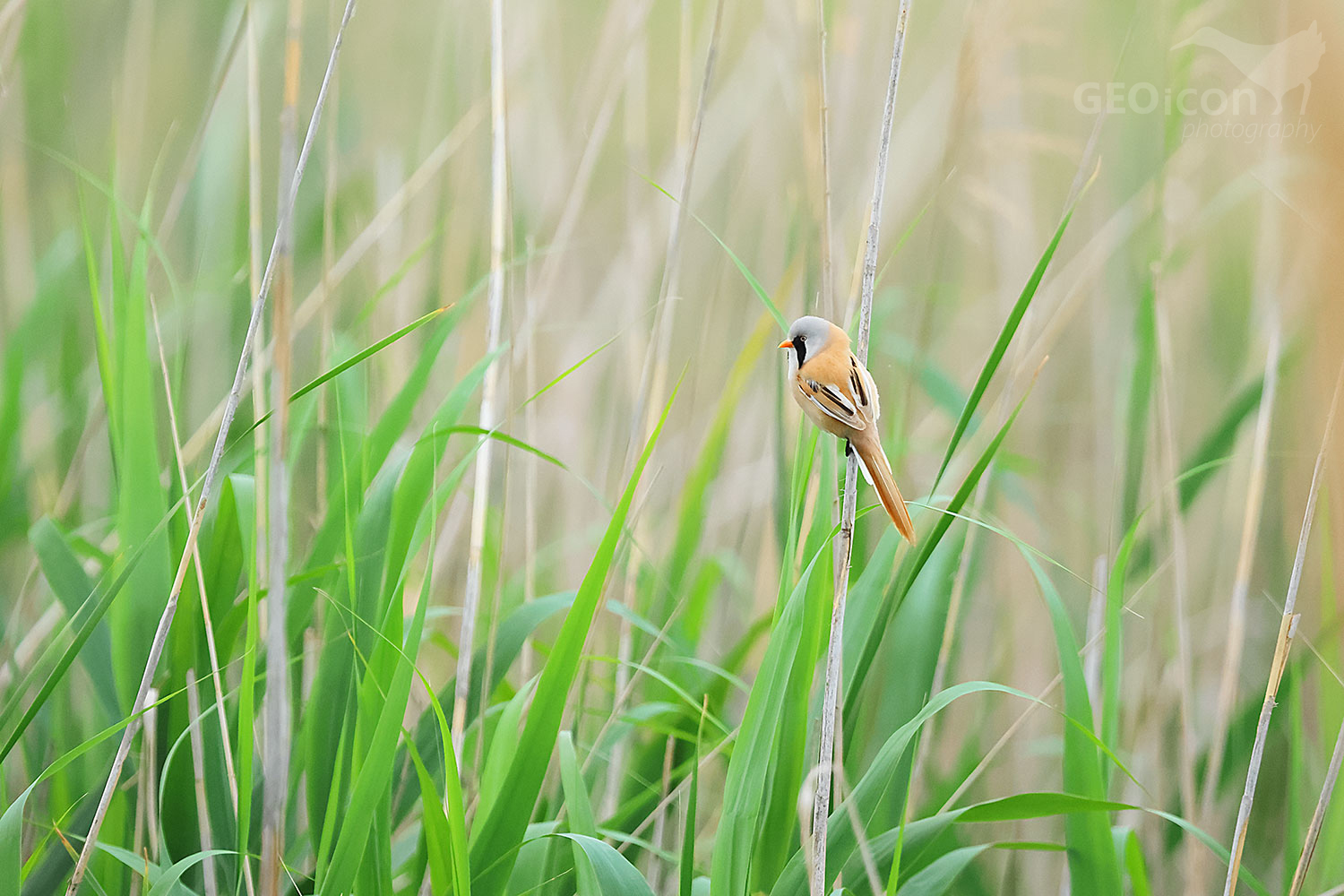
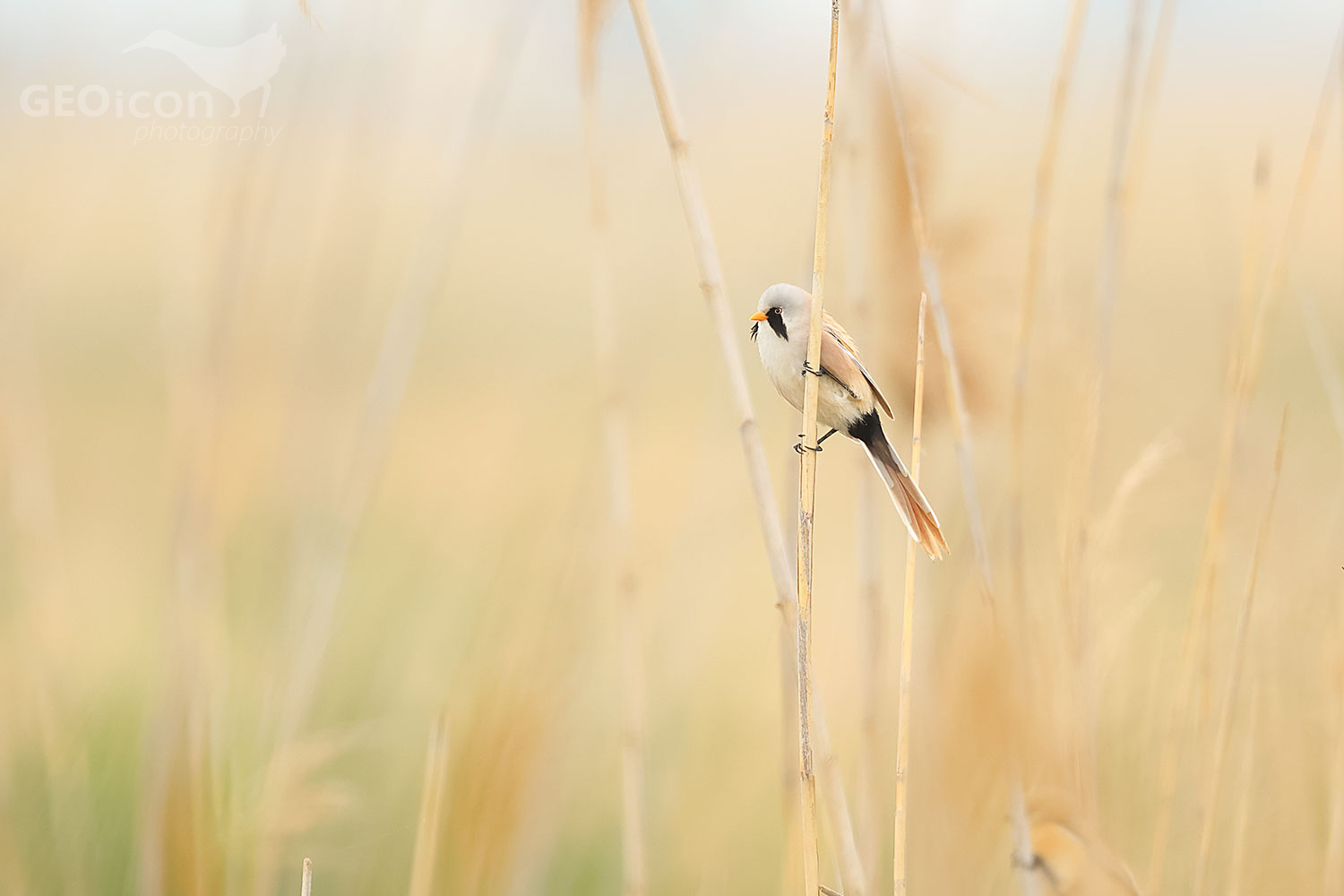
Entire families of Bearded tits like to stay in the reeds along artificial irrigation canals.
An essential experience that we never miss on any visit to Hungary is the local restaurant Halászcsarda in the village of Tiszacsege. Their highlight on the menu is catfish with dill sauce. And did you know that in Hungary they make greaves not only from pork, but also from catfish?